
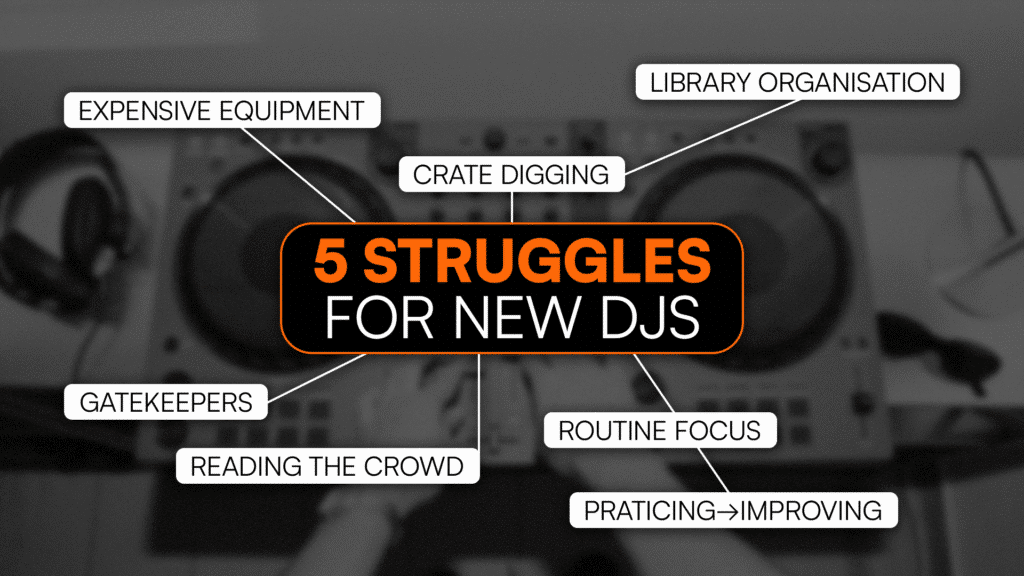
Starting out as a DJ can be incredibly exciting, but there are also a lot of things that can feel pretty overwhelming and confusing. If you’re stuck, struggling with making progress, then you’re far from the only one; most people find those early days quite tricky. So we thought we’d dive into some of the most common pitfalls beginners face and figure out some ways around them.
We asked our Crossfader community what they struggled with most when they first started, and we got some pretty interesting responses.
To help you bypass the usual frustration, we’ve broken down the most common beginner hurdles and how you can actually overcome them. Here are some of the most common answers, along with our advice on how to deal with them.
Practice Routines
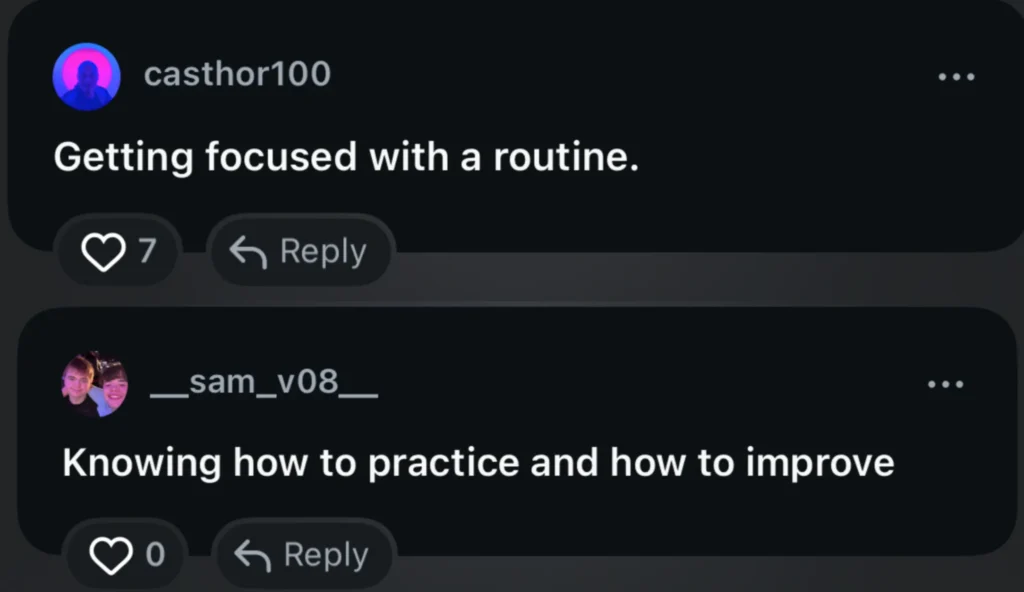
Like any skill, you’re only going to get better at DJing by properly setting aside the time to practice. But we know that for most people, your lives are busy enough already, and it can be really tricky to even find that free time. And then when you do actually get in front of the decks to practice, you need to make sure you’re really making the most of your time and levelling up your skills properly.
One thing we’ve said to get the best use out of your time is to treat your DJing like a job. Not in that you should quit your actual day job and just focus on mixing, but you should properly set aside a set, regular time slot and make sure you ‘show up for work’ whatever you’re doing.
Exactly what that might look like varies for everyone, but maybe you’ve always got Thursday evenings free, so put that in your calendar and earmark it specifically for DJ time. Even if you’re not completely ‘in the zone’ creatively, there will always be some other ‘work’ to crack on with, whether that’s organising your music library or doing promo on social media.
If you want to know the best ways to use your practice time, we’ve got a full guide on how to practice DJing to level up your skills fast.
Finding Music
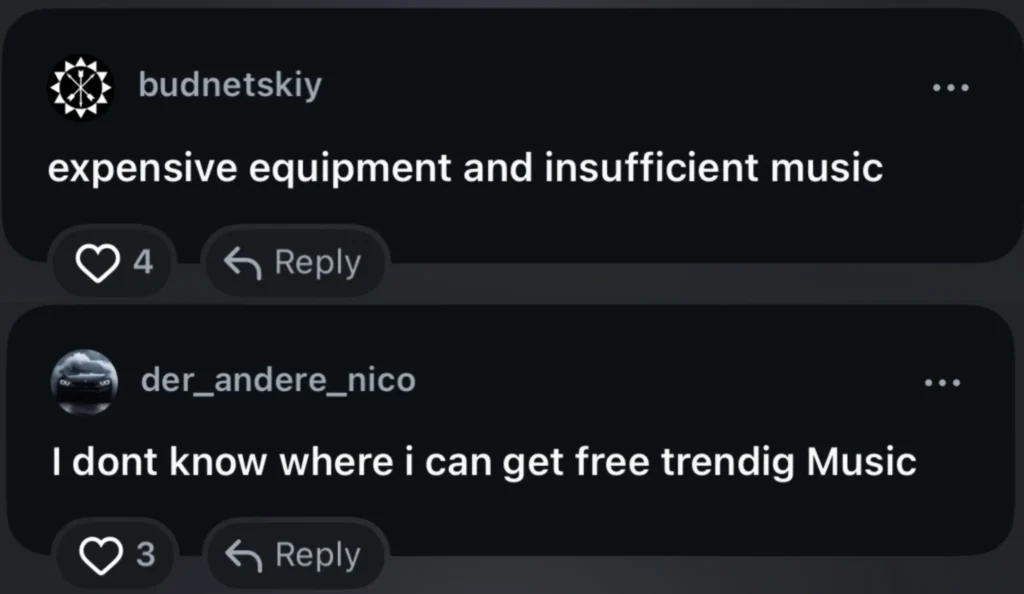
You can’t exactly DJ without music, and having a great library of tunes is what makes each DJ unique. But when you’re first starting out, it can be pretty tricky, and very expensive, to build up a half-decent collection.
The good news is that streaming services have made DJ music much more accessible and, with Apple Music and Spotify recently joining DJ apps, streaming is no longer limited to niche DJ services. This can be a great way to explore music without committing to purchasing anything.
There are downsides to streaming DJ music, though, as you can’t use stems and wi-fi in venues is generally patchy, so we’d never recommend it for gigging.
If you want to get your own downloaded music, you still don’t need to spend a lot of money. In fact, there’s loads of great stuff out there for free! We put together a full guide to the best sites to download free DJ music.
Gatekeeping
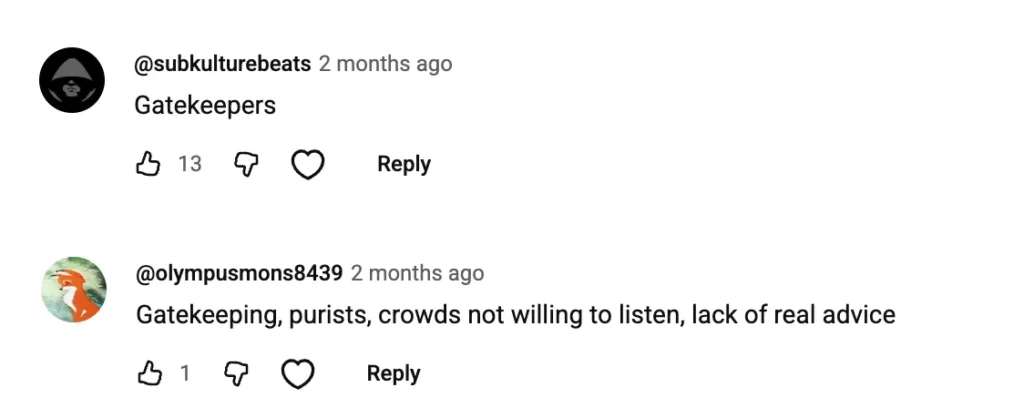
For as long as DJing has been a thing, we’re pretty sure that gatekeeping will have been a major part of it. People who’ve put a lot of time and effort into honing their craft often get overly defensive when new people try to elbow in on their territory.
This is sadly something you see across all hobbies and creative endeavours, but it is especially true in DJing. We see a lot of younger DJs, especially women, feeling excluded or unwelcome by the community.
Part of this comes down to simpler, more affordable technology, making DJing more accessible than ever. A lot of the online gatekeeping comes from people who learned the more technically difficult vinyl mixing and feel superior to anyone using anything digital. (If I had a penny for every ‘but can you do it on vinyl?’ comment on a Crossfader post, I’d have enough for a set of Technics…)
Personally, we all think that DJing becoming more and more accessible is a good thing and should be celebrated. At the end of the day, it’s easy to lose sight of the fact that, as a DJ, your job is simply to play great music and entertain a crowd of people. Nobody cares what you’re using to mix or how many years you’ve been doing it for.
Reading a Crowd
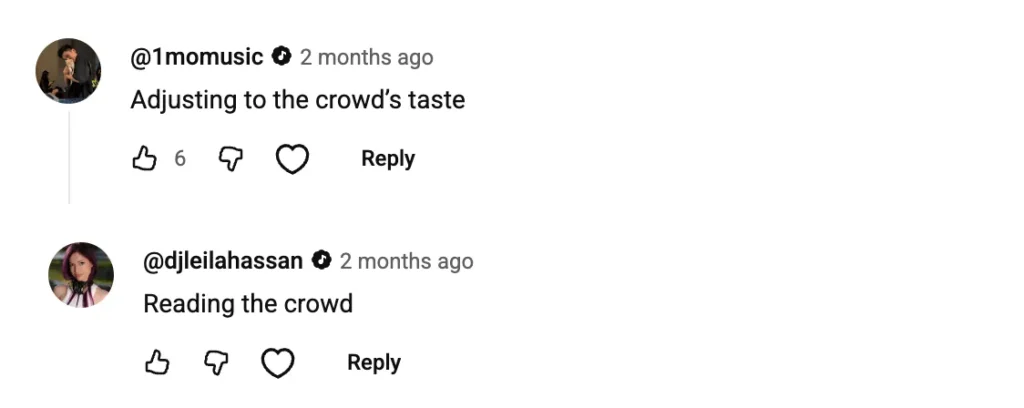
This is another thing we hear all the time from our students when they’re playing live for the first time. And this is the fundamental skill that separates a great DJ from just being a playlist.
The harsh truth of the matter, though, is that you’re pretty much always going to suck at reading a crowd the first few times. That’s because it’s not really something that you’re ever going to improve by practising in your bedroom or by watching videos online.
The only way to actually get better at reading a crowd is just by doing it over and over again, seeing what works when and slowly but surely building up that DJ instinct. Smaller, lower-pressure events like open decks nights or even just getting on the decks at parties can all be a great way to build up that experience when you’re starting out.
As much as we say you can’t learn to read a crowd online, you can definitely learn some essential tips for the next time you’re behind the decks.
Check out our full guide to how to read a crowd as a DJ for some must-know advice from our tutors.
Organising Your Library
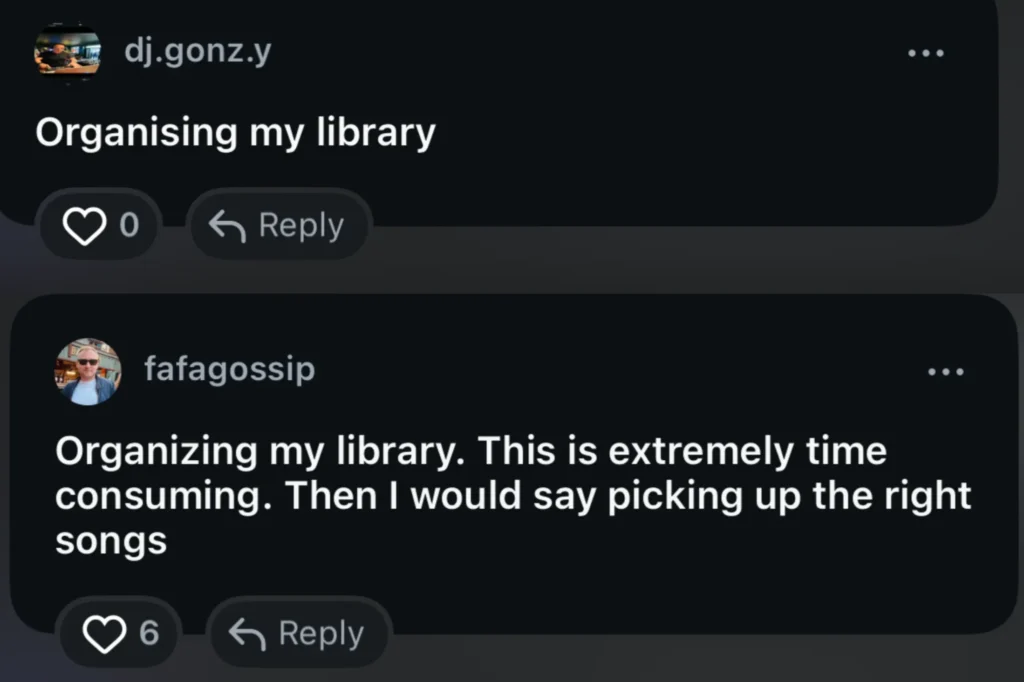
We see this a lot with beginner DJs when they first start building out their music collections. They just start downloading all the tunes they think are cool, and just randomly dump everything into one big folder on their USB with little to no organisation.
Before you know it, it’s all a complete mess, and the job of sorting it out has turned from a bit of admin into a huge, daunting task. That’s why it’s so crucial to do all this organisation right from the start and keep it up as you go.
We get it, though. Sorting through folders and organising metadata is hardly the most glamorous and exciting part of being a DJ, and that’s probably why it’s so easy to skip over.
Exactly what your USB organisation will look like is completely up to you. At the end of the day, you’re just trying to sort it in whatever way is going to make it easiest for you to find the tunes you need as simply and quickly as possible.
If you’re stuck with a messy USB and you don’t know where to start, check out our full guide to organising your music library.