
When most people start DJing, they think the hard part is the technical stuff. Things like beat-matching and knowing a few transitions are, of course, crucial, but just getting those skills nailed is only half of what makes a great DJ.
To really level up to a more natural level of mixing, you’ve got to get more in tune with the music and start actively listening to it like a DJ. This way, you’ll be able to mix much more instinctively and feel more confident behind the decks.
Let’s dive into a few ways you can change how you listen to music and why it makes such a difference to the way you mix.
Phrasing
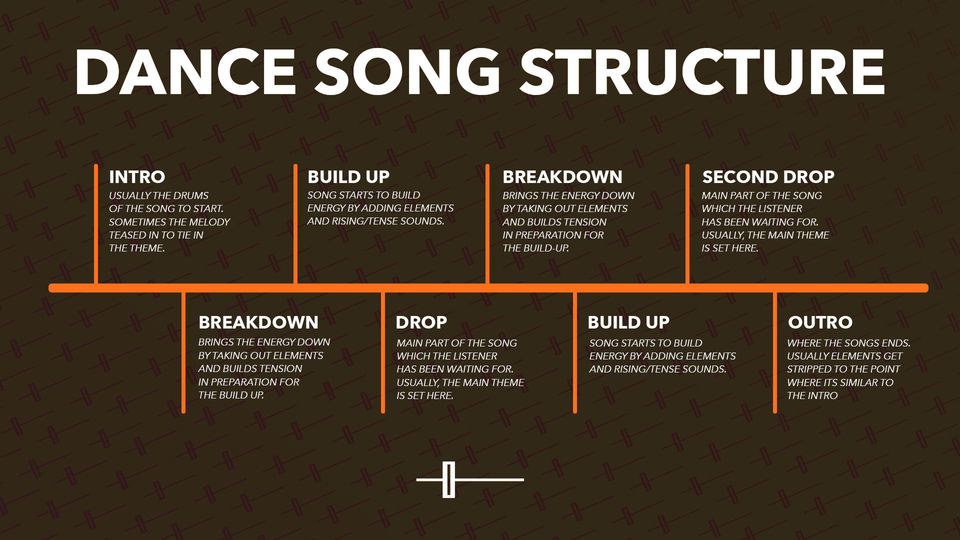
Most dance tracks are built in repeating sections called phrases. A phrase is usually four, eight or sixteen bars long, and marks a change in the track. It might be a new drum pattern, a vocal starting, or a breakdown building towards a drop.
When both tracks’ phrases line up, everything feels connected. The mix flows naturally, like the two songs are part of the same story. When they don’t, even if the beatmatching’s good, it’ll sound slightly off.
The best way to start hearing it is to count along as you’re listening to music. You’ll begin to notice that something usually happens every eight or sixteen bars. Keep practising that and soon you won’t need to count at all. You’ll start to sense when a change is about to happen.
It becomes instinctive, almost like muscle memory for your ears. That’s when mixing starts to feel smooth and effortless, because you’re responding to the music instead of calculating it. You’re lining things up by feel, not by counting or looking down at a grid, and that’s what makes DJing feel more natural and musical.
How to train your ears
Once you’ve got a sense of phrasing, the next step is to keep training your ears to pick out more detail. The goal is to make active listening a habit, not just something you do when you’re behind the decks.
Try it whenever you’re listening to music. Even when you’re just listening to music casually, try counting in groups of eight bars and picking out what’s really going on under the hood of these tracks. Notice when the energy shifts, when elements enter or drop out, and start to get ideas of how you might mix it.
The more you do this, the easier it becomes to predict what’s coming next. It becomes second nature, like muscle memory for your ears. That’s when mixing really starts to feel smooth and natural, because you’re lining things up based on feel, not guesswork. And it saves you from spending every second in the booth counting the beats.
What to listen for
Once you get used to hearing phrases, start paying attention to other musical cues that shape how a mix feels. These details show you how a track moves and where it fits best in a set.
- Energy changes
Notice where the energy rises and falls. These shifts usually happen at the start of new phrases and can signal good points to mix in or out. - Intros and outros
Listen to how tracks begin and end. Think about whether it starts with instrumental sections or vocals and how this would affect how you mix it. - Space and layering
Hear when a track sounds full and when it feels more open. Make a mental note of these sparser moments, as it’s often useful to have the room to mix with. - Groove
Get a sense of what sort of groove the track’s got and whether it’s a tight, snappy feel or more loose and laid-back. This will influence what sort of stuff it’ll blend well with.
The more you notice these patterns, the more control you have over your sound. You start mixing with purpose rather than habit, and your sets feel more connected from start to finish.
Why this skill matters
Learning to listen like a DJ changes how you mix in ways that might not be obvious at first. Once you stop counting and start hearing the music properly, everything becomes easier. You spend less time thinking about what to do next and more time reacting to what feels right in the moment.
It also improves your track selection. When you can hear structure clearly, you can pick songs that complement each other, not just ones in the same key or tempo. That in turn lets you better zoom out to the bigger picture of taking the crowd on more of a journey.
But this kind of listening isn’t only useful for mixing. It’s just as valuable if you make music. Once you’ve trained your ears to spot phrasing and structure, you start to hear how producers build tracks to keep people engaged. You notice where new sounds are introduced, where tension builds, and how those changes drive the energy on a dancefloor.
Take your DJ skills further
Being able to listen like a DJ is one skill. Knowing how to use it behind the decks is the next step. At Crossfader, we’ll help you master every part of DJing, from mixing and performance skills to must-know career tips.
Join for free to unlock three beginner courses and get a personalised learning plan built around your goals, gear, and experience level.