
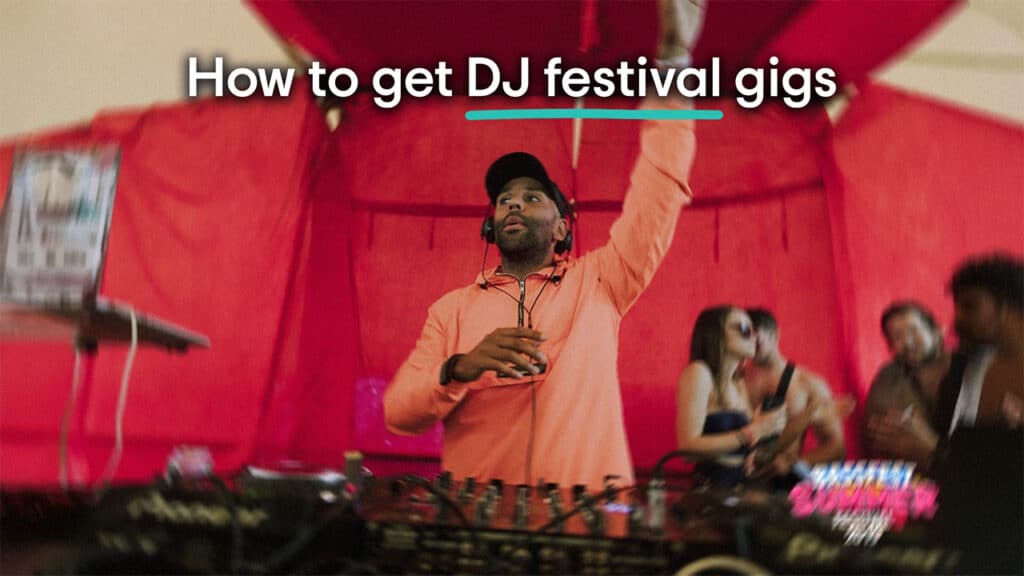
Getting booked to play a festival is one of the biggest dreams for loads of up-and-coming DJs, but it doesn’t just come down to luck. To get these sorts of opportunities, you’ve got to do the groundwork, building up a reputation that shows that you’re able to handle these types of sets and crowds.
Crossfader tutor Lawrence James has played more than twenty festivals, from small local events to major stages like T in the Park. Through this experience, he’s seen exactly how DJs can make the jump from local gigs to those big festival stages.
Here are Lawrence’s top tips on how to build your own path to the festival stage.
1. Build Your Personal Brand
Generally, whether you like it or not, one of the first impressions any promoter will have of you is your social media presence. It’s like your digital shop window, and you need to make sure you’ve got everything looking professional and on-brand. If you’re profile’s not that active or it’s filled with irrelevant content, it’s harder for anyone to imagine you on a lineup.
Start by picking a couple of platforms that suit you and you can keep up with; it’s better to do one or two well than spread yourself too thin. Instagram, TikTok and YouTube are the most common for DJs. Post regularly but focus on quality over quantity. When it comes to posting, focus on content that actually shows your skills and personality:
- Short transition clips
- Live crowd reactions
- Behind-the-scenes moments from gigs or practice sessions
- Interactive content (polls, Q&As etc.)
- Short home mixes filmed with good lighting and clear audio
If you’re still at the bedroom DJ stage, film short home mixes that showcase your sound and style. Good lighting, clear audio and confident mixing go a long way. Promoters want to see that you can perform not just mix, even when you’re just at home.
If you want to know loads more about all things branding and building up your presence, check out our full guide on how to market yourself as a DJ.
2. Get Active Locally
The promoters running these festivals are often the same people in charge of smaller, more local stages. And if they’ve already seen you play those slots and they know you’re reliable and can handle a crowd, you’ve got one foot in the door when it comes to bagging those bigger gigs.
That means that before you get those big festival gigs, you’ll have to put in the groundwork at smaller local bars, warm-ups and club nights. The goal isn’t just to play anywhere for the sake of it; it’s to become part of your local scene.
You’ve also got to support other DJs by going to events, sharing their sets online, and actually being part of that community. Promoters notice DJs who are involved and positive, not just the ones chasing slots. If you’re just starting out, things like open-deck nights are a great way to get a first step on the ladder.
3. Network with Promoters and Brands
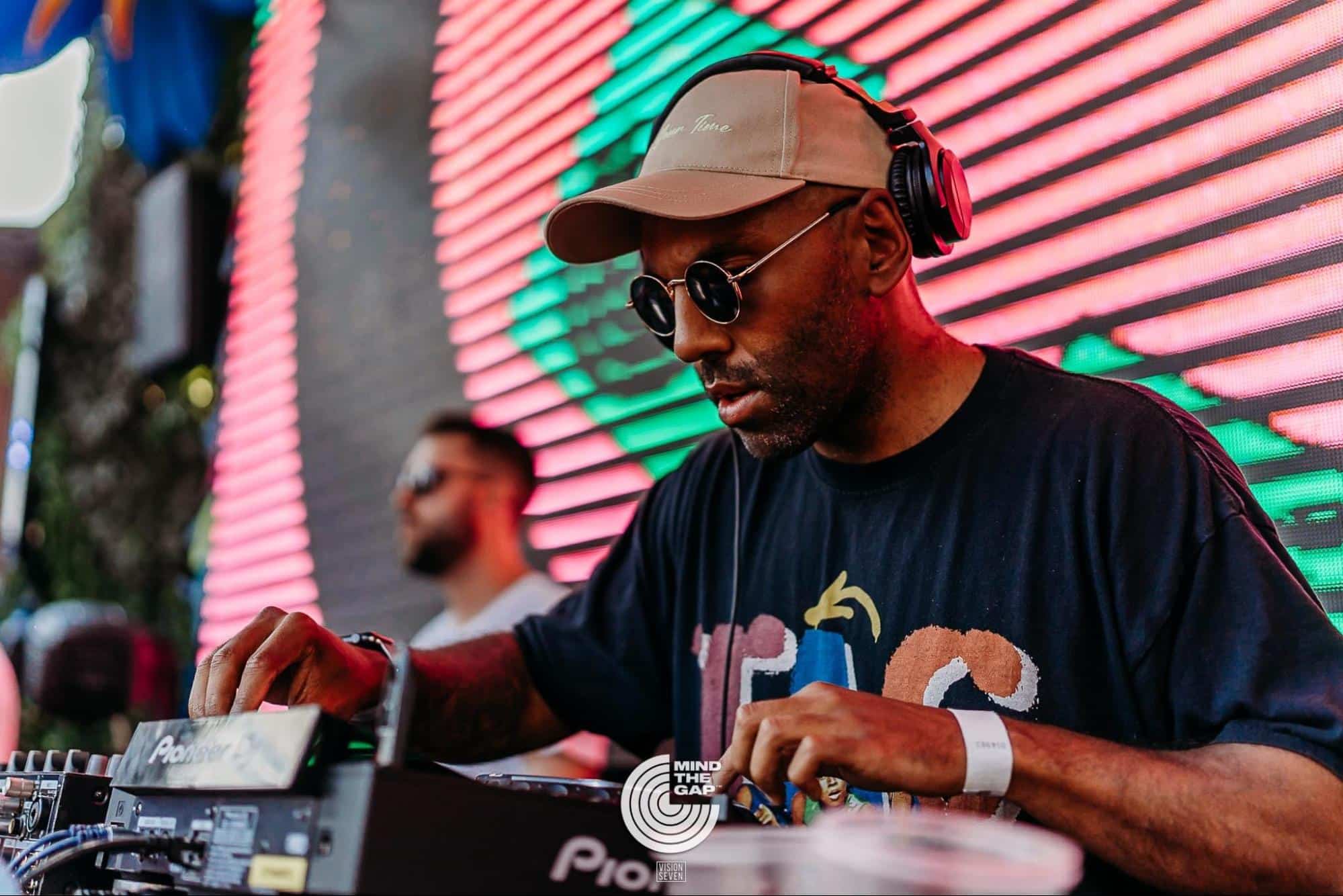
Festivals rely on huge teams of people, from marketing managers to stage coordinators, bar staff, and booking agents. The more of those people who know who you are, the better your chances of being remembered when a lineup is being planned.
What’s important is that you’re building proper relationships, rather than just trying to get something out of people or build up contacts. It’s much better to go to local events and actually talk to people in person rather than just sending emails and messages. Be interested in what they’re doing rather than jumping straight to what you want. Promoters can spot a self-serving message a mile off, but they also remember the DJs who take time to connect and support their work.
Keep your vibe positive and professional, both online and in person. If you’re helpful, reliable, and show up for others, that’s one of the most powerful things you can do to help your career.
4. Have the Right Mixes Ready
Short clips might help you get attention on social media, but proper full-length mixes are what actually secure bookings. Promoters want proof that you can hold a crowd’s energy for a complete set, not just for a few transitions.
Make sure to tailor your sound to the atmosphere of the stage or brand you’re aiming for. It shows you’ve done your homework and can fit the vibe they’re building. If you’re doing a specific festival application, it’s a good idea to do a unique set for this, as it goes a long way to show the effort you’ve put in and that you get the right feel.
Think carefully about the opening couple of minutes, too. Promoters generally won’t always listen to the full mix, but a strong start will keep them engaged long enough to hear your style and flow. You can even record a short introduction or add an edit that makes it instantly recognisable as yours.
For more tips on how to record the perfect mix, check out our full guide on how to record your DJ sets.
5. Pitching for festival slots
When you reach out to a promoter, keep it personal and to the point. Most of them get dozens of messages every week that all sound the same, so the way you write can make as much of an impression as the mix you send.
Start by showing that you’ve done a bit of homework. Mention something specific about the event or stage so they know it’s not a copy-paste message. Then include just enough detail for them to get a sense of who you are and why you’d fit.
Keep it simple and just stick to something like:
- Start with who you are and what kind of DJ you are.
- Mention how you know them or where you’ve come across their event.
- Explain briefly why you and your sound would fit what they do.
- Include one mix that captures your style.
- Add what you can bring to the table, like a local following or help with promotion.
6. Prepare Your Set for the Lineup
Getting a festival slot is exciting, but what really matters is how well your set fits into the day. You need to think about the flow and energy of the whole lineup, not just getting carried away with your own set.
Check who’s playing before and after you. If you’re opening, focus on building atmosphere and setting the mood. If you’re playing later, bring the energy up without repeating the same big tracks that others have already dropped.
Have a few backup options ready in case the crowd feels different to what you expected. Festivals can be unpredictable, and having a couple of flexible track choices makes it easier to adapt.
7. Build on Your Success
Your first festival appearance is a huge step in your career, but more than just that, it can be crucial to taking that next step and keeping future bookings coming. To make sure this wasn’t a one-off fluke, you need to capture plenty of content from the day and use it to promote yourself long after the festival’s over.
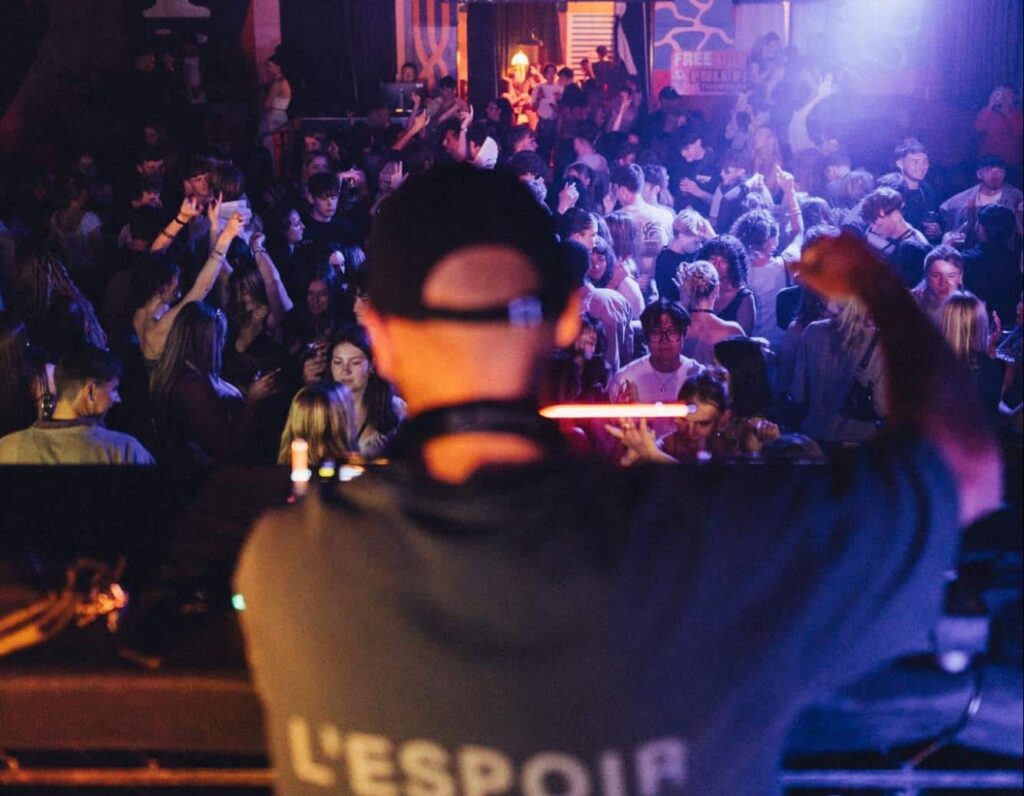
If possible, bring someone who can film or take photos for you. You don’t need anything too professional but what’s important is that you’re capturing a few moments of you performing and everyone having a great time to your set. Get a good mix of crowd reaction, your own performance and general behind-the-scenes vibes.
Then, edit those clips into highlights for social media, add them to your artist profile and make sure you add them in any emails or anything you’re sending out for applications. Promoters really appreciate having that sort of proof to back up your claims that you’d be a good fit.
The Real Way to Level Up
Getting festival bookings takes time, but it happens for DJs who keep putting in the effort. Keep playing, keep meeting people, and keep improving. If you do that, the right opportunities will find you.
To help you get there faster, join Crossfader for free. You’ll get a personalised learning journey and access to free courses that will help you grow from bedroom mixing to those bigger stages.