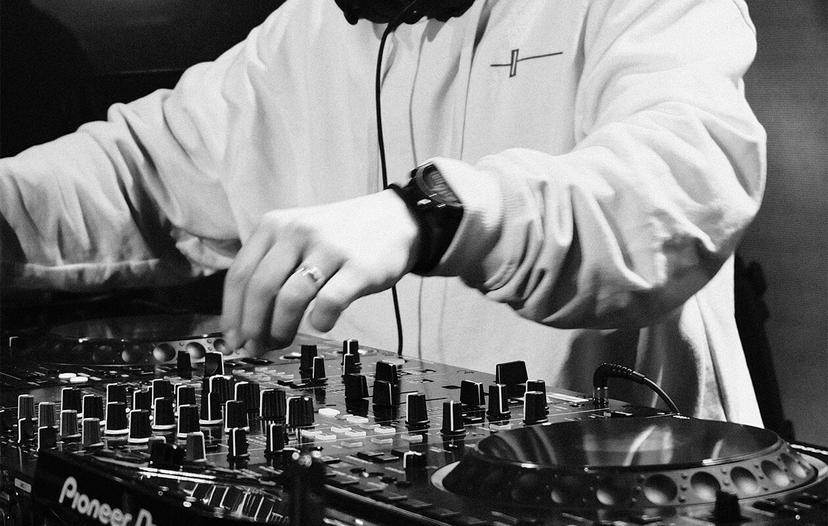
Structured online DJ courses
Learn to DJ on your gear, at your pace.
From your first beatmatch in the bedroom to your first set in the club. Structured lessons taught by real DJs, on the exact kit you own.
SAVE 90%Get every DJ course with the Complete DJ Package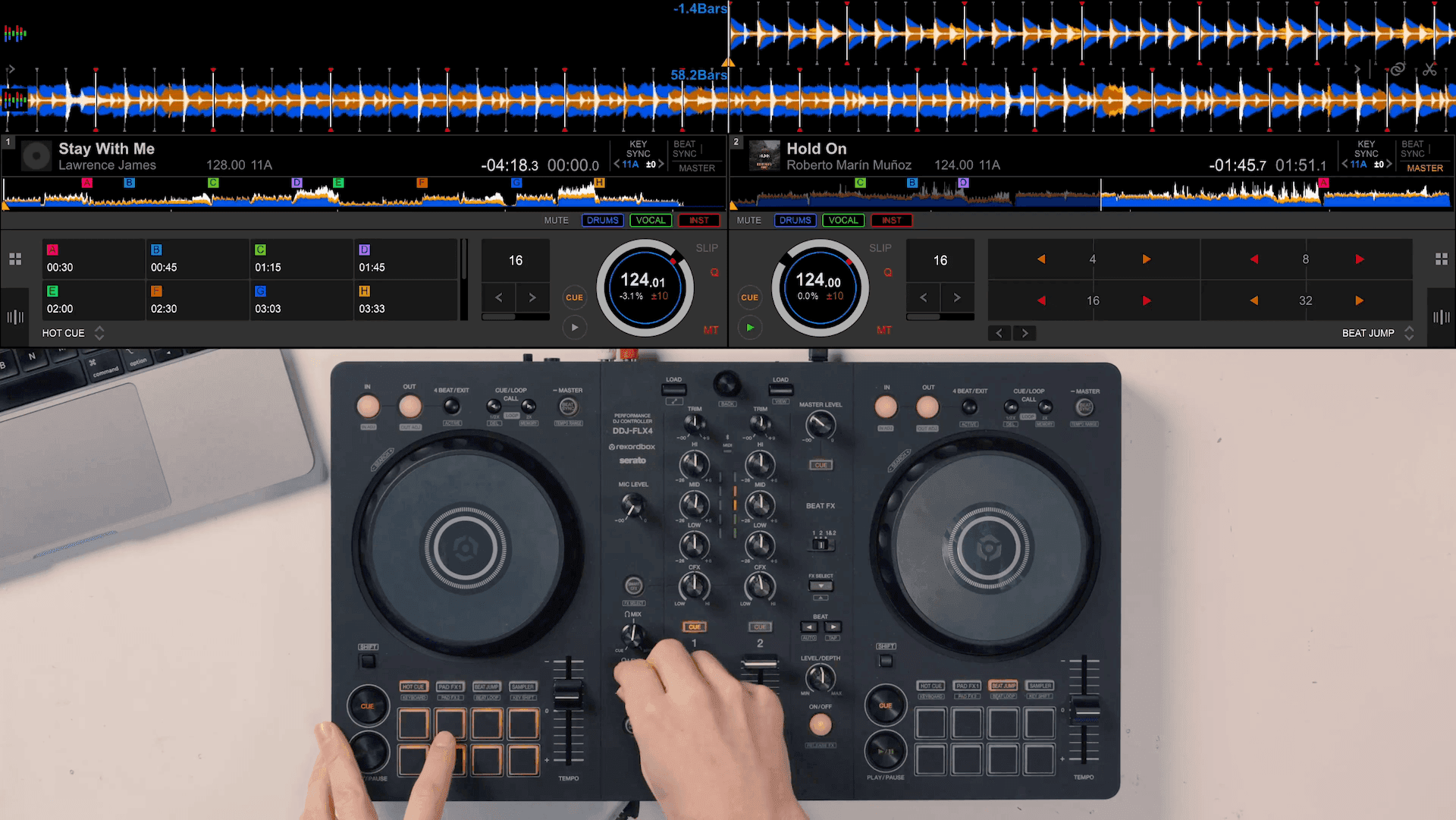 Filmed on your gear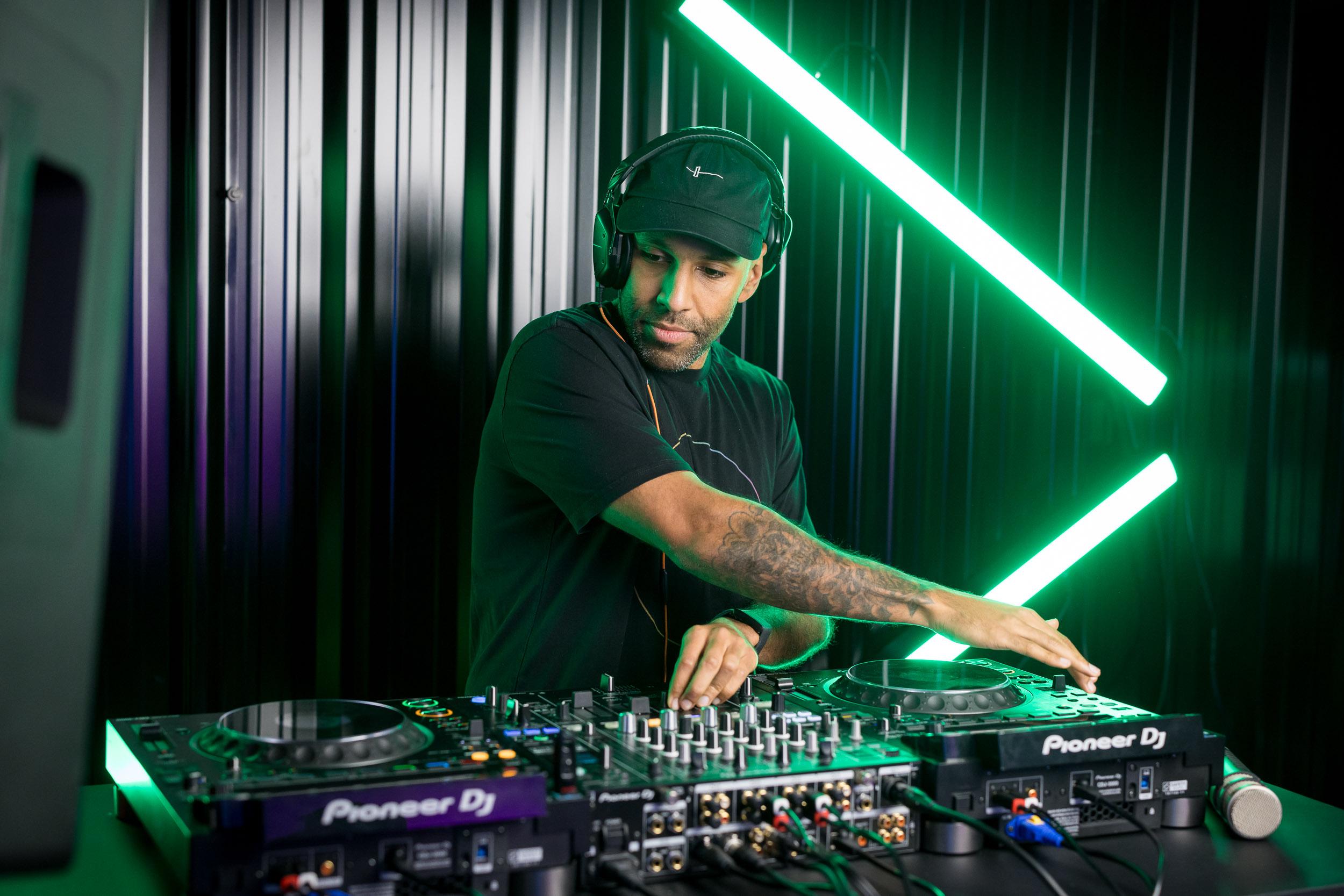
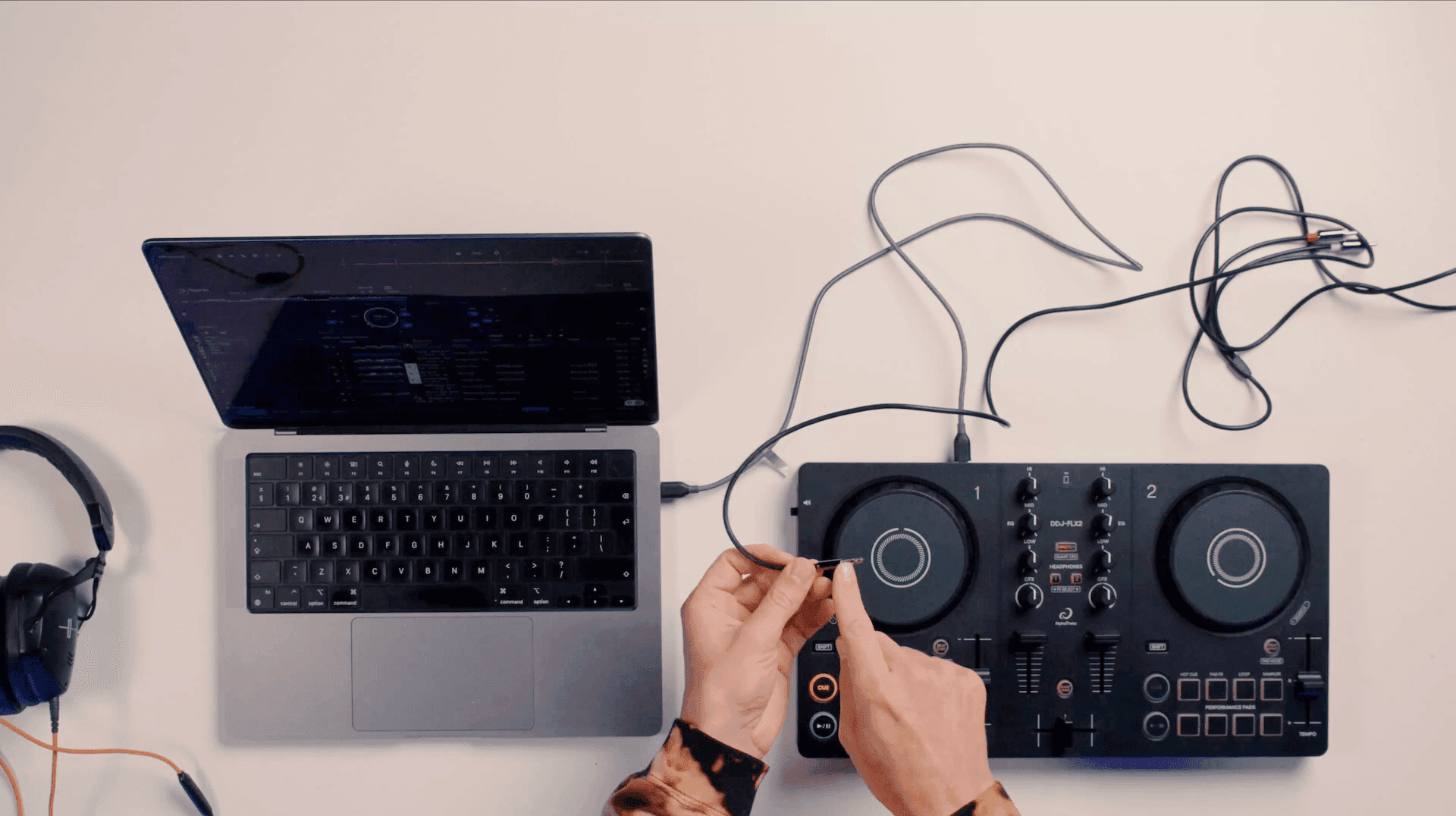
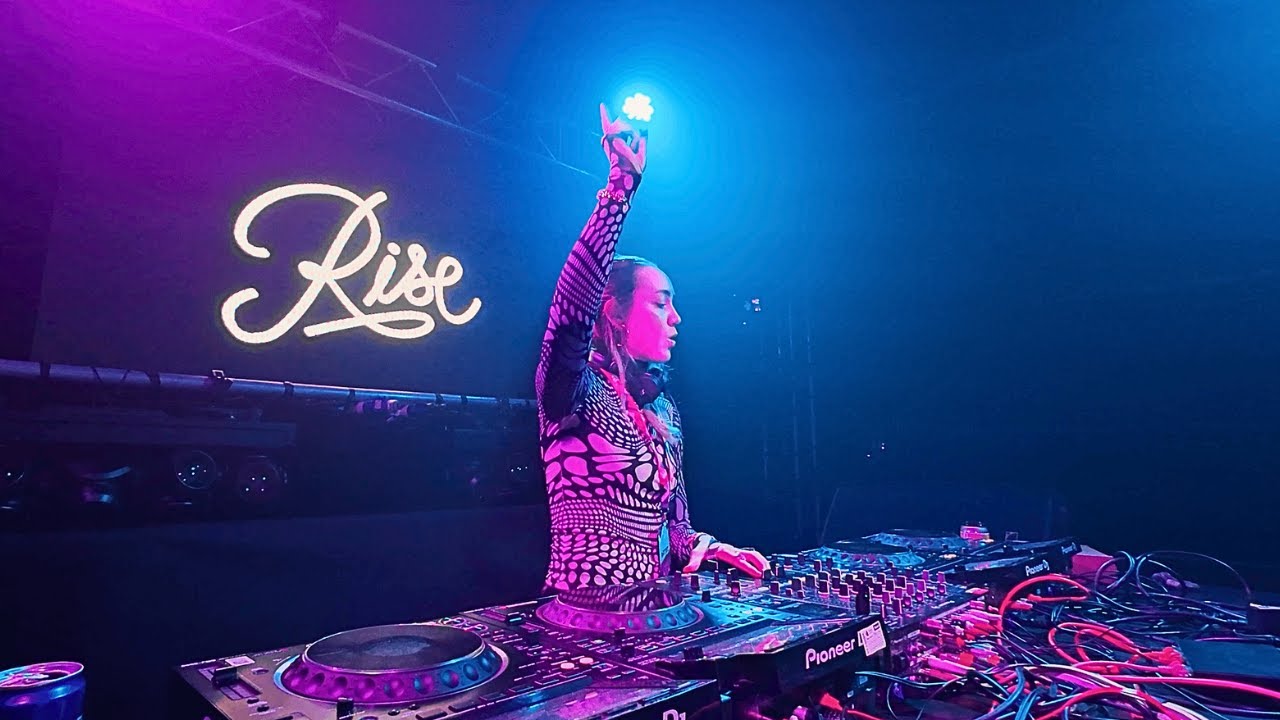 Get opportunities like this...
DJ courses for your gear
A clear path, not random tutorials
Your DJ journey, built around you.
Tell us your gear, software, favourite genres and goals, and we'll build a learning roadmap around your exact setup. With 240+ controllers covered, whatever you're mixing on, we've got you.
Your DJ equipment
Your DJ software
Your favourite genres
Your goals
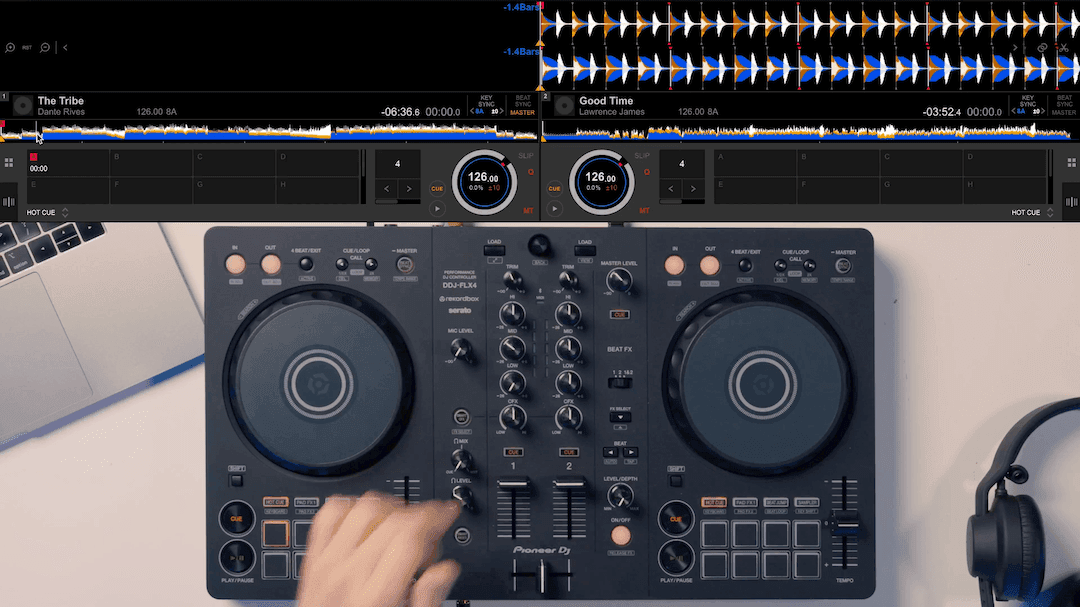 Step 01
Set up your DDJ-FLX4
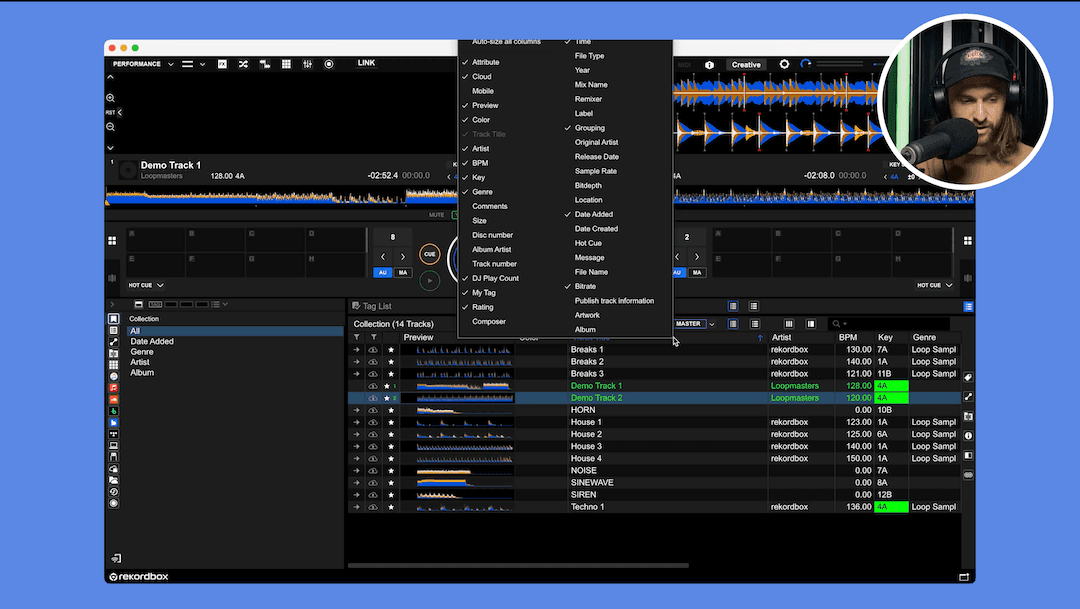 Step 02
Master your software
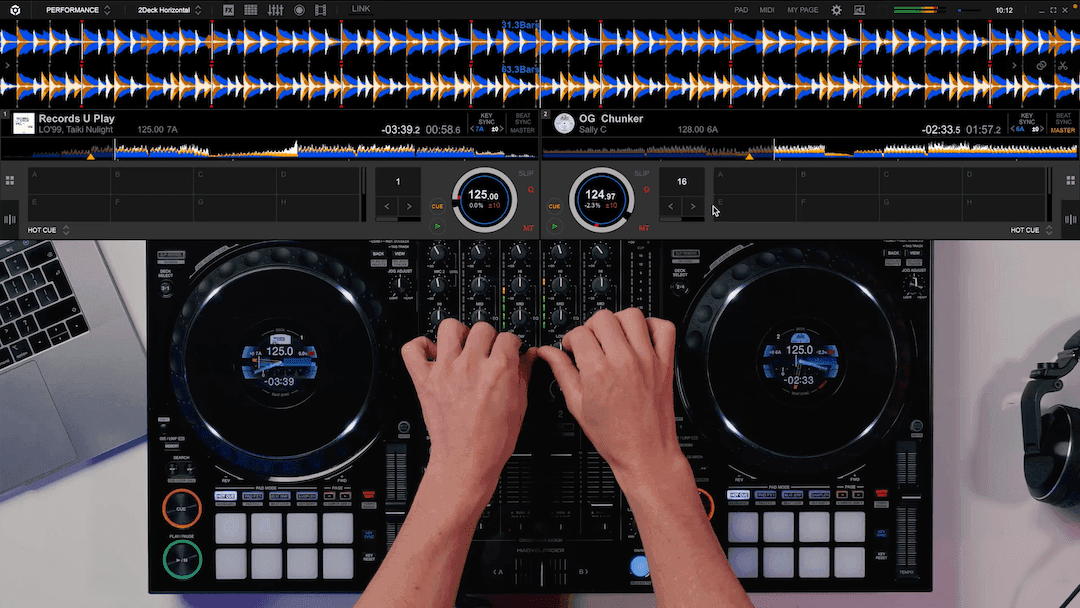 Step 03
House mixing techniques
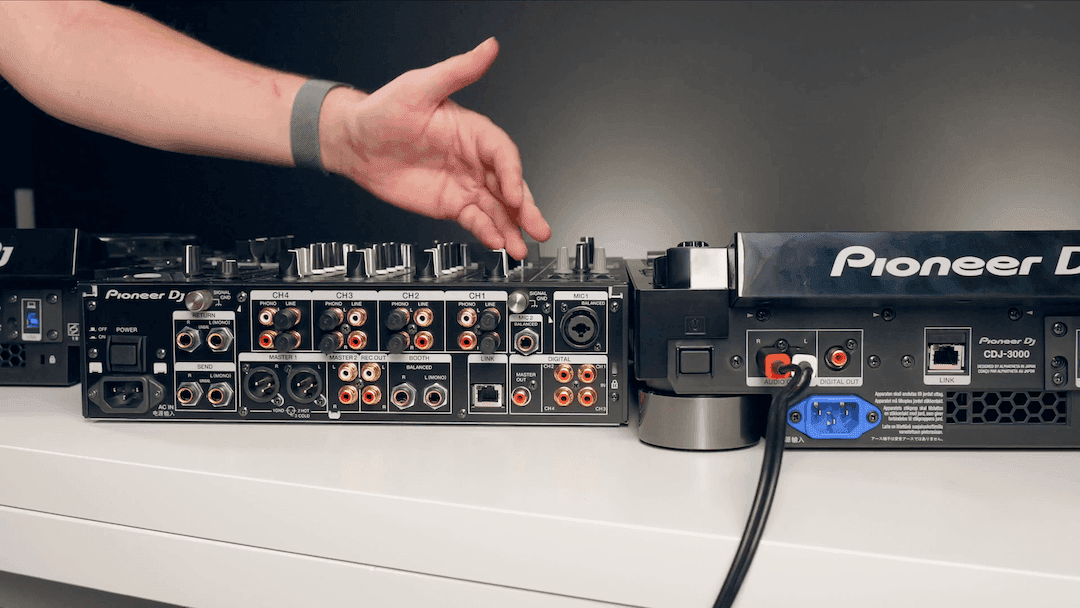 Step 04
Get gig ready
Answer the questions at sign-up and your full personalised plan is ready. No card required.
Meet your tutors
Built by DJs, for DJs.
Every lesson inside Crossfader is taught by working DJs who've spent decades in club booths and on festival stages, from Printworks to Creamfields. We've taken everything we've learned from all that experience and turned it into a clear roadmap for DJs like you.
Jamie Hartley
Our instructor, Jamie Hartley, a seasoned DJ with over a decade of experience, began his career as a full-time DJ at the age of 16. Since 2014, he has grown Crossfader from a small UK-based DJ school where he personally taught aspiring DJs, to the renowned global online DJ school and community it is today. Through years of one-on-one instruction in a studio, Jamie has developed a foolproof and systematic approach to teaching DJ skills and techniques. Unlike other DJ schools, Jamie focuses on teaching the creative skills that make you stand out.
Lawrence James
Our dedicated DJ tutor Lawrence James has over 15 years of experience working as a resident and guest DJ at clubs and festivals worldwide. He has played alongside artists such as Tinie Tempah, Aitch, Skepta, Chase & Status, DJ Fresh, Kano & many more! Lawrence has been at the forefront of the UK hip hop scene for years and knows how to rock any crowd!
Danny James
Our dedicated DJ tutor Danny James has over 10 years of experience working as a resident DJ at clubs and festivals worldwide. He has played alongside artists such as Pendulum, Deadmau5, Jauz & many more. He brings his club experience to his tuition giving you insights on how to become a pro DJ behind the booth!
Tom Smith
Tom is a classically trained musician and DJ who brings a deep understanding of music performance into modern DJing. After graduating with First Class Honours in Music Performance from the Royal Northern College of Music, he has performed in hundreds of venues internationally, from local clubs to iconic stages like the Royal Albert Hall. With a background in competitive brass bands, Tom developed a sharp ear for timing, precision, and building powerful musical moments. Today he hosts a weekly radio show and releases mixes online, specialising in digital DJing with Pioneer gear and Rekordbox, with a particular love for Chicago Footwork and Juke. At Crossfader, Tom teaches DJ fundamentals, creative mixing techniques, and practical workflows designed to help DJs perform with confidence, control, and their own unique style.
- Total Students
- 50,000+
- Students
- Total Lessons
- 3,000+
- Lessons
Inside Crossfader
More than just a course.
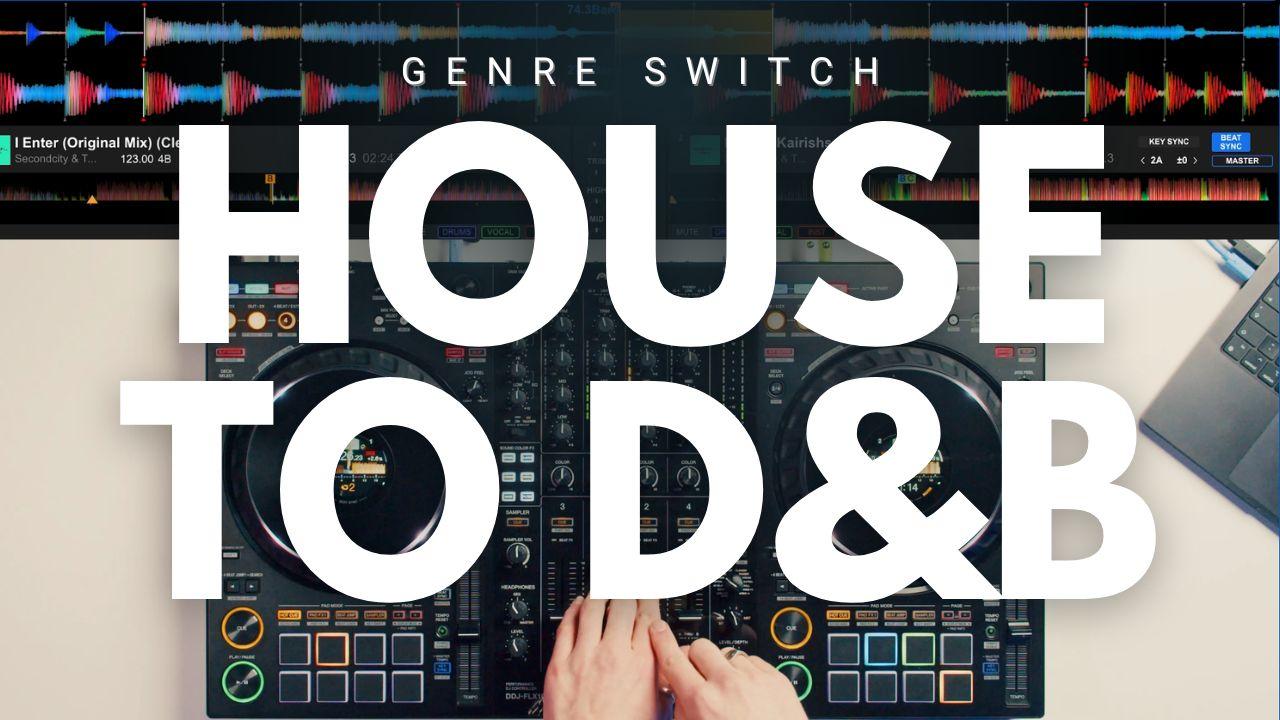
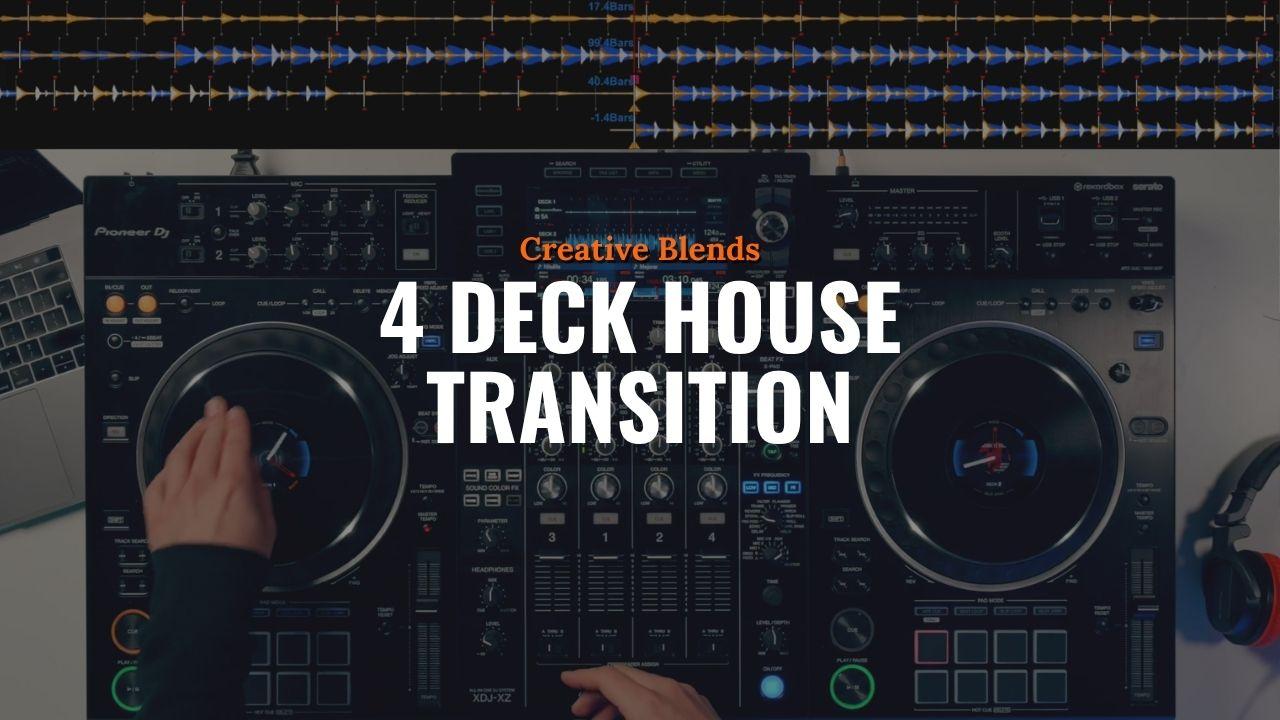
Transitions Library
Pro transitions, all in one place.
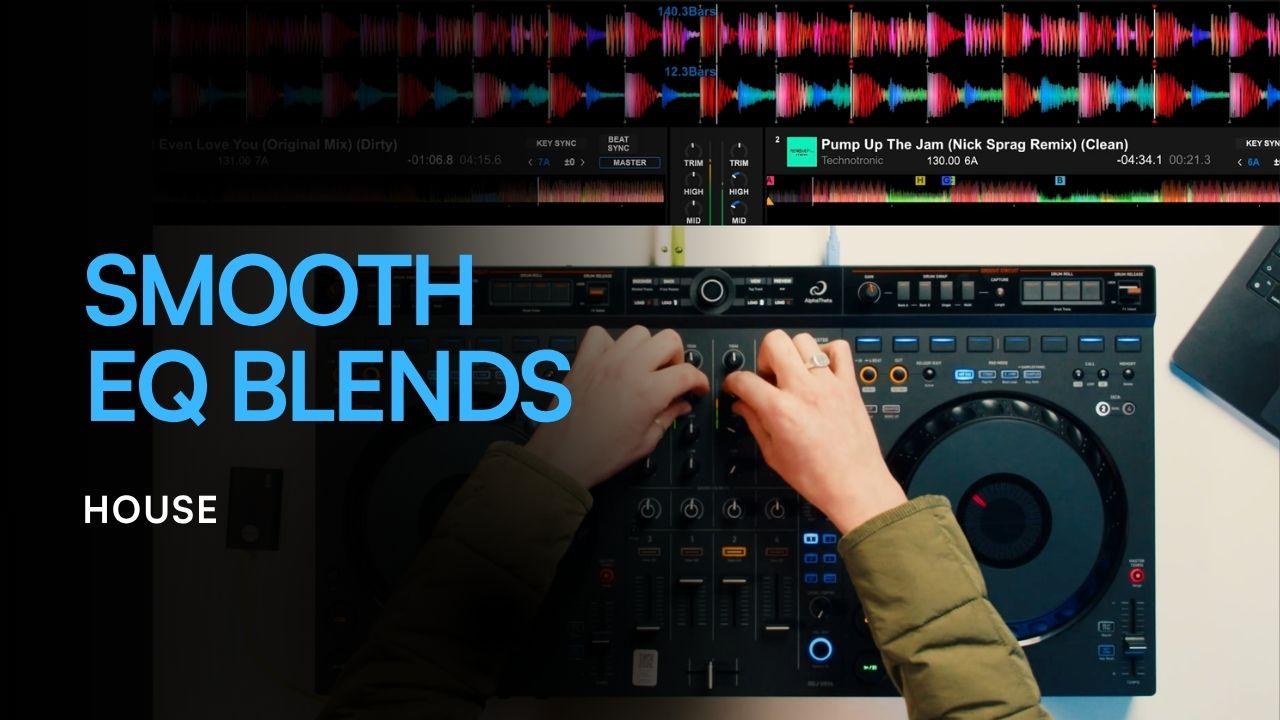
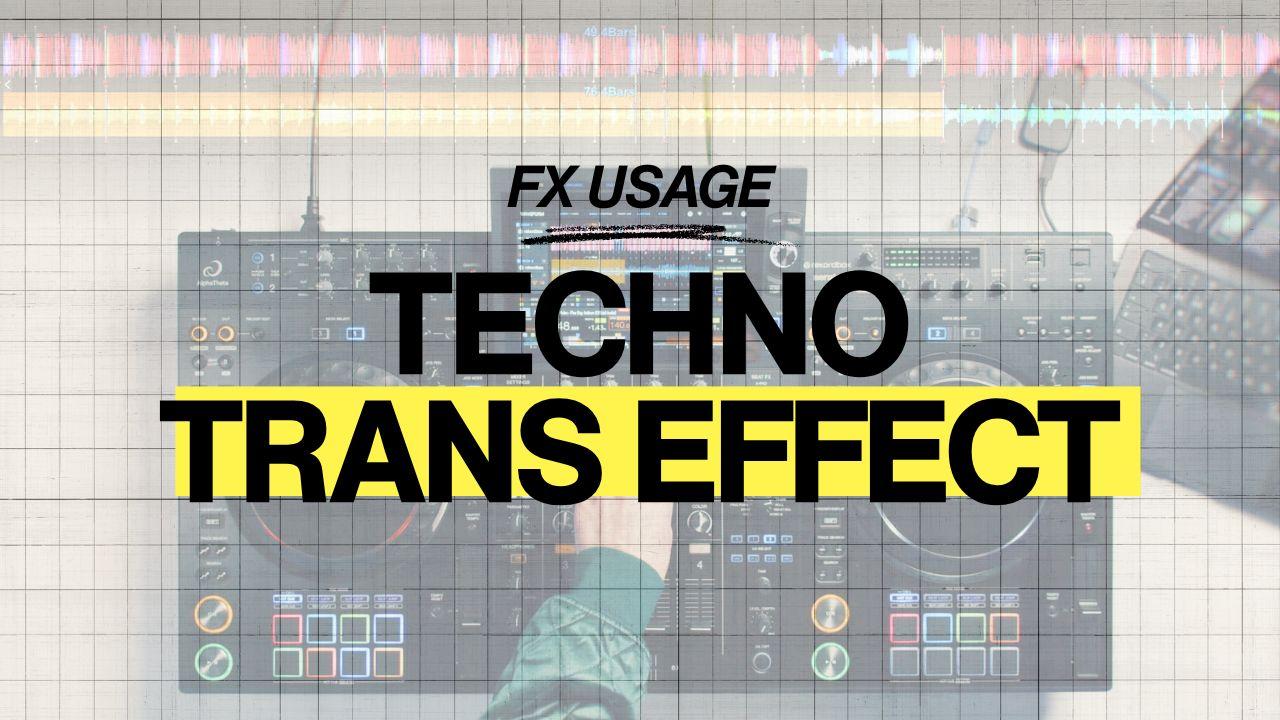
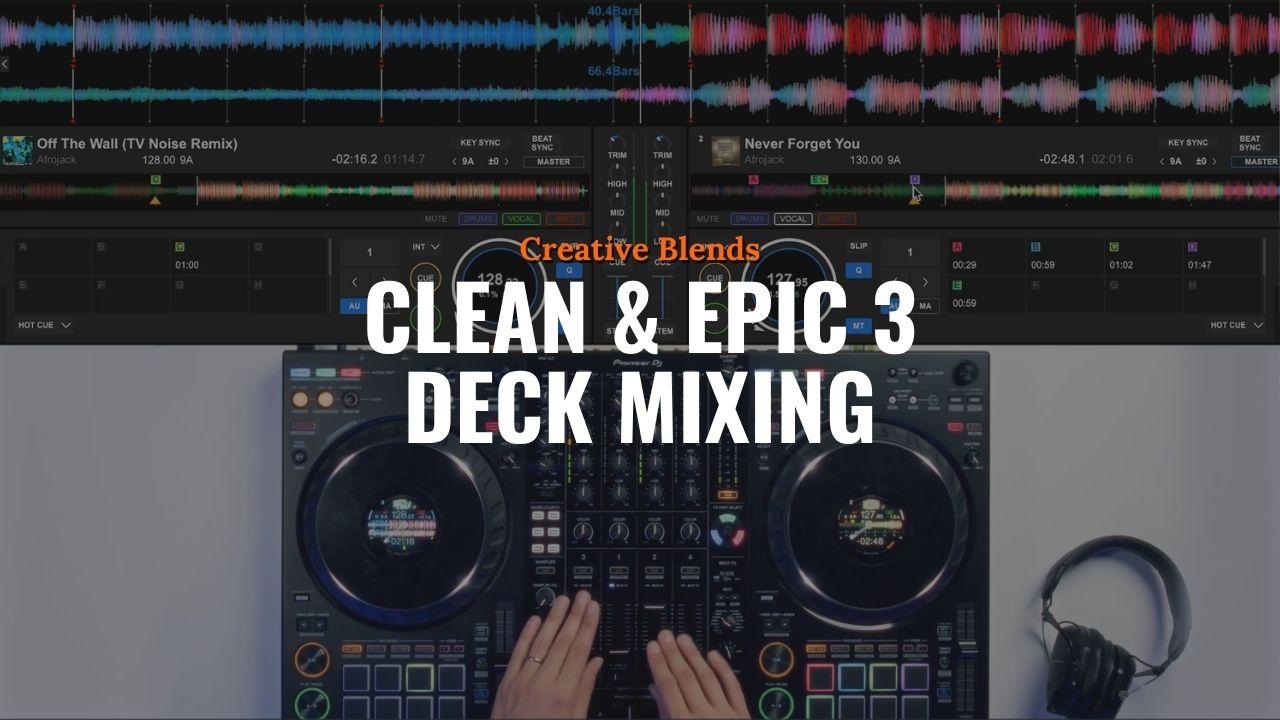
Real transitions from working DJs, sorted by genre, BPM and level. Hear the technique, see how it's built, then drop it into your own mix, and the library keeps growing.
- Sorted by genre, BPM and skill level
- Watch the technique, then build it yourself
- New transitions added every week

Nudge
Ask a real DJ.
Nudge gets you to our tutors' teaching in one question. Stuck on a transition, a technique or a piece of kit? Ask Nudge and he gets you to the lesson that shows you how.
- Trained on 3,000+ Crossfader lessons
- Links you straight to the relevant lesson
- Included in the Complete DJ Package

Mix breakdowns
Go behind the mix.
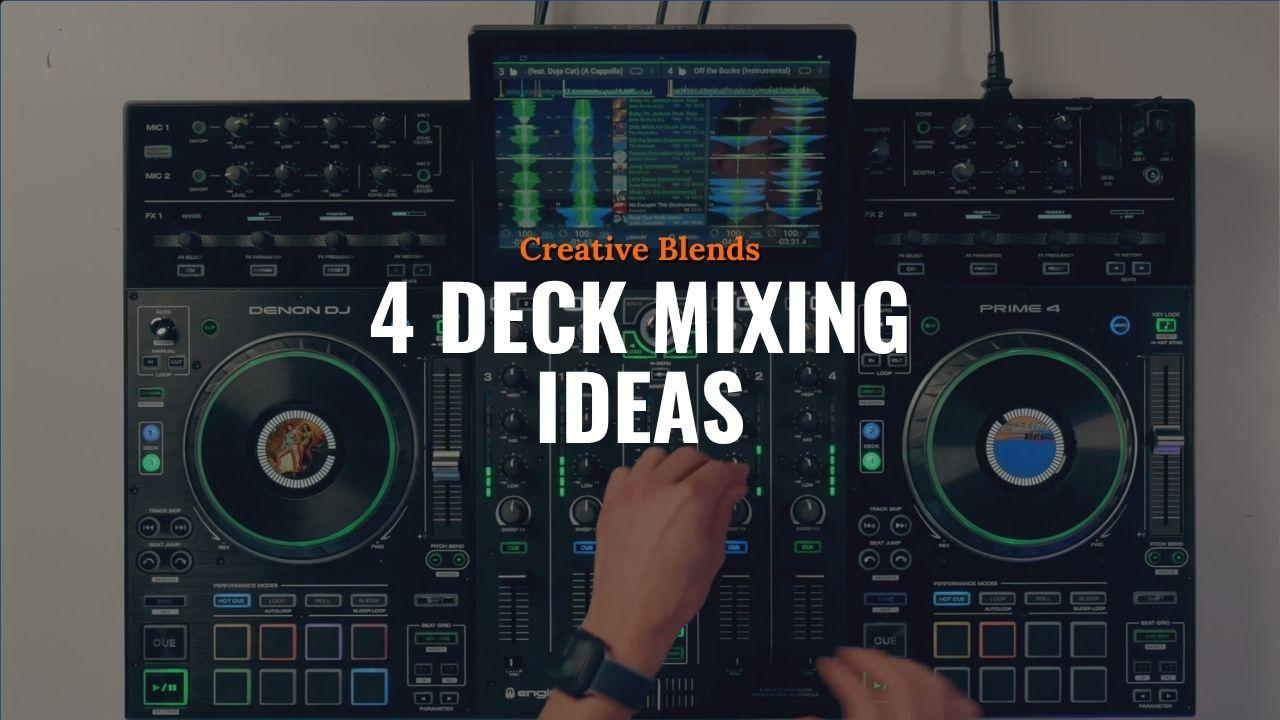
Watch working DJs break down full sets, explaining every track choice and transition as they go. See how a mix is built, then borrow the moves.
The Transitions Library, Nudge and Mix Breakdowns, all inside.
Get the Complete DJ PackageReal students, real stories
Hear it straight from our DJs.
Where Crossfader can take you
Real-world opportunities and industry access.
We don't just teach you how to mix. We want to turn you into a real pro DJ. That's why we give you the chance to get your mixes heard and show your skills on major stages.
Spotlight · Moonyean
From student to mainstage.
When Crossfader student Moonyean entered one of our DJ competitions, she was practising along to our courses at home like everyone else. Months later, she was supporting Kettama on the mainstage of Rise Festival. And she's not the only one. We run opportunities like this all year round.
Read Moonyean's storySupported by





.png&w=384&q=75)
-Logo.wine.png&w=384&q=75)

Best-selling DJ courses
The courses most of our students start with.

Beginner, Controller
Pioneer DJ DDJ-FLX4 Beginner Course

Genre
Techno Mixing DJ Course

Genre
House Mixing DJ Course

Beginner
Rekordbox - Beginner DJ Course
Your next move
Don't stop at DJing.
Once you're confident on the decks, the natural next move is making the music yourself. Start with edits of the tracks you already play, then step into full originals, taught by Toolroom Academy's Lewis John, inside Crossfader.
Explore the producer coursePricing & plans
Three ways to learn.
Buy individual DJ courses, learn to produce with Toolroom Academy, or unlock every DJ course plus 50+ hours of bonus content, the Transitions Library and Nudge with the Complete DJ Package.
Frequently asked questions
Everything you wanted to ask.
Is Crossfader good for complete beginners?
What DJ equipment and software does Crossfader cover?
How much does Crossfader cost?
Is there a money-back guarantee?
Do I get lifetime access to courses?
Does Crossfader cover music production as well as DJing?
How long does it take to learn DJing with Crossfader?
Who teaches Crossfader courses?
Can I try Crossfader before paying?
Your DJ journey starts here.
Get free lessons, free DJ music and tips from our tutors, straight to your inbox.