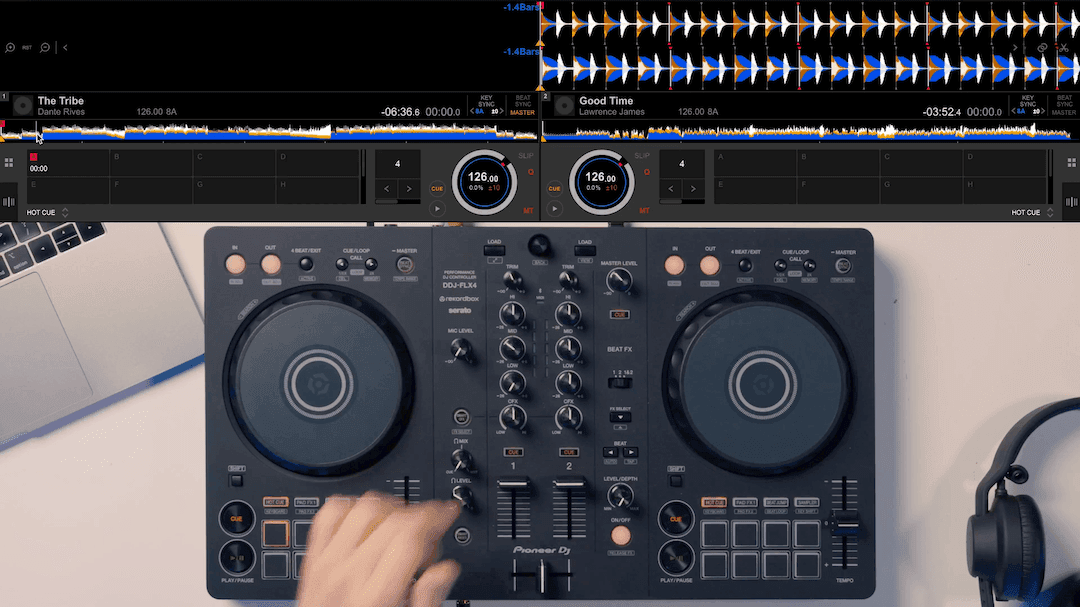
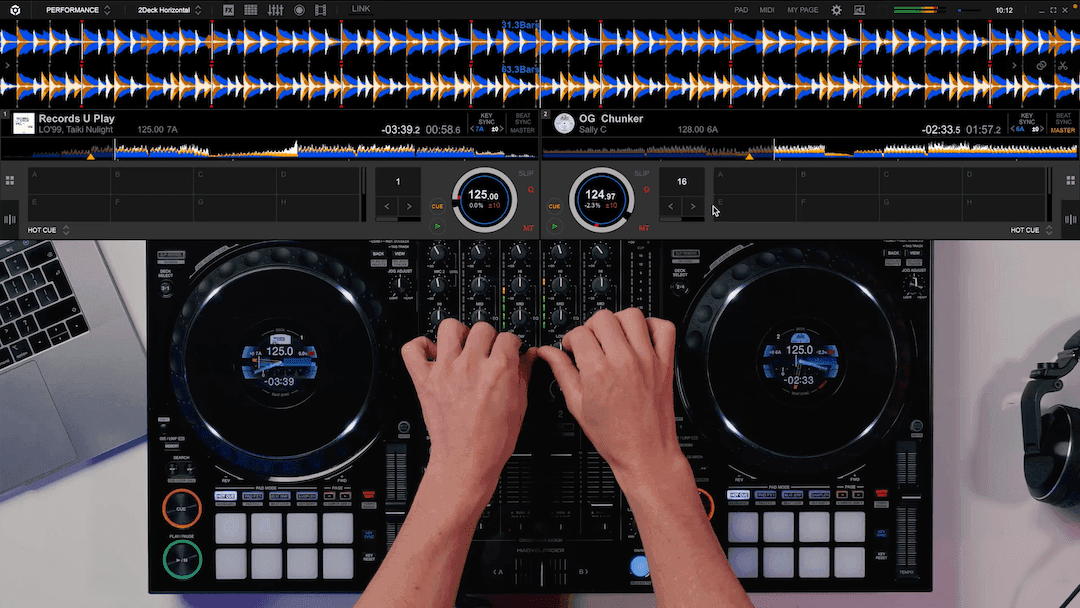
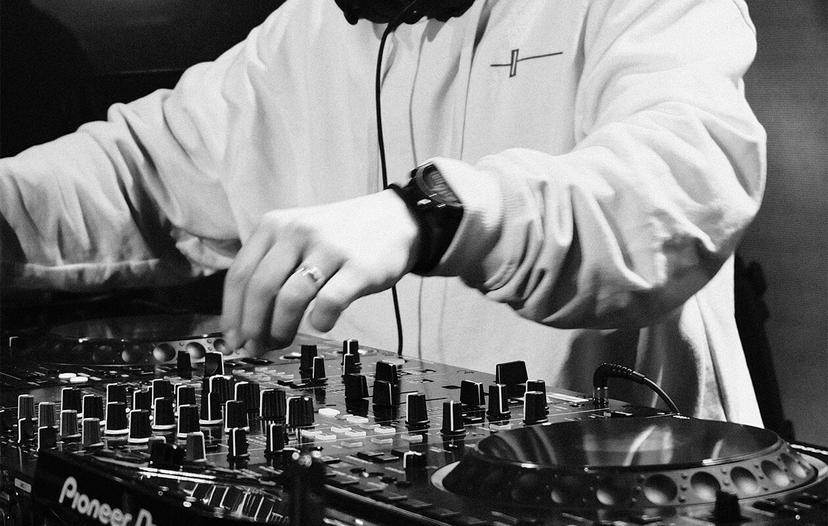
Trance has been enjoying a huge resurgence in clubs and festivals, with loads of new fans and DJs alike rediscovering and reinventing this classic rave sound. For DJs, it is one of the most rewarding and fun genres to play, but it also demands more patience and subtlety than many other styles. Tracks often stretch out for several minutes and are quite melodically and harmonically rich. This is why DJs love it for ‘taking people on a journey’, but it also means your transitions need to be smooth and considered.
In this guide, we’ll take you through how to approach trance mixing with that mindset. You’ll learn the key fundamentals that make mixing trance music different to other styles and a couple of tricks to keep things interesting.
The Key Principles of Mixing Trance
Long Blends
A big part of trance mixing is giving tracks the space to breathe. Long blends are the norm, sometimes running for 32, 64 or even more bars. Unlike faster-moving genres, where DJs may switch between songs all the time, trance rewards patience. Letting songs play out is part of the hypnotic feel of trance, and as a listener, you want enough time to really get into each track. For the transitions, you can have quite a long overlap as you’re mixing.
EQ and Frequency Control
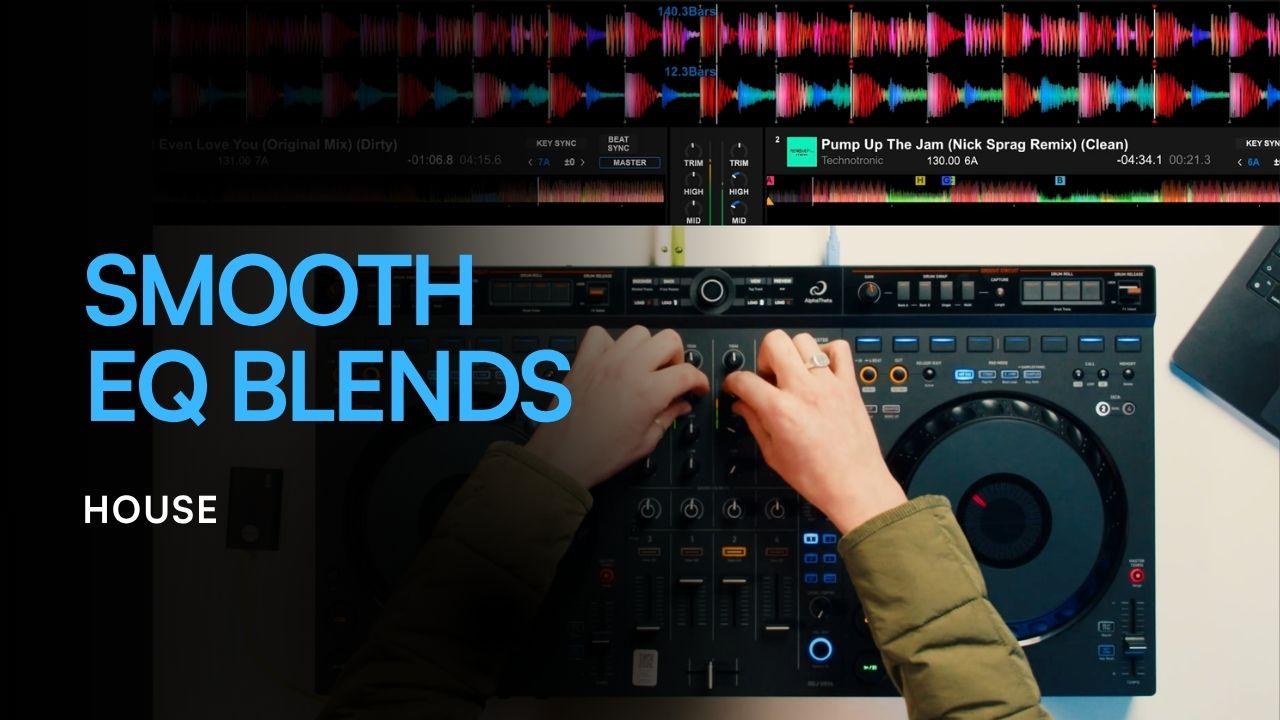
If you’re coming to trance from mixing another genre like House, some of the EQ techniques will work a little differently. There’s often a lot going on, so simply stacking tracks on top of each other will sound super busy and messy. You’re better off swapping things out more intentionally and quickly, rather than slow blends.
Make sure to swap over the bass cleanly. Keep one bassline full, while the other is cut. Switch them over when the phase changes rather than trying to blend them together at any point.

Only one track should dominate the mids. If two melodies are overlapping, you can pull the mids of one back by a bit so this clash becomes less apparent until you are ready for the switchover.
Highs can be layered more safely, but two sets of hats and rides playing at full volume can make the top end abrasive. Many DJs keep one track’s highs slightly tucked down during the overlap, then let the new percussion rise naturally as the transition completes.
Filters add another layer of control on top of EQ. A high-pass on the outgoing track can thin it out gradually, giving room for the new tune’s elements to emerge. A low-pass on the incoming track can hold back bright synths or vocals until you are ready for them to take over.
Harmonic Mixing
Because trance is melody-heavy, harmonic mixing is almost essential. There’s basically always going to be some level of overlap of harmonic content, so if they’re not in the same or a related key, it’s going to sound really wonky.
The Camelot wheel is a good guide here. Stay in the same key to keep things smooth or you can move to an adjacent one. It’s important to remember that when you shift to an adjacent key, it’s also going to effect the vibe, either shifting the energy up or down.

If a track is in the same key or one of the ones next to it on the wheel, it’ll sound ok but listen out for how moving around the wheel affects the vibe.
You can always get around this if you absolutely need to bring in a specific track that doesn’t quite fit. You could key shift it so it works, pick a section with minimal or no harmonic content, or use stems tools to remove those elements.
Tracks With No Drum Intro
A lot of trance tunes, especially radio edits, don’t give you a clean run of drums at the start. They throw you straight into the melody, which sounds great on its own, but makes it awkward to mix. The best way around this is to make your own intro.
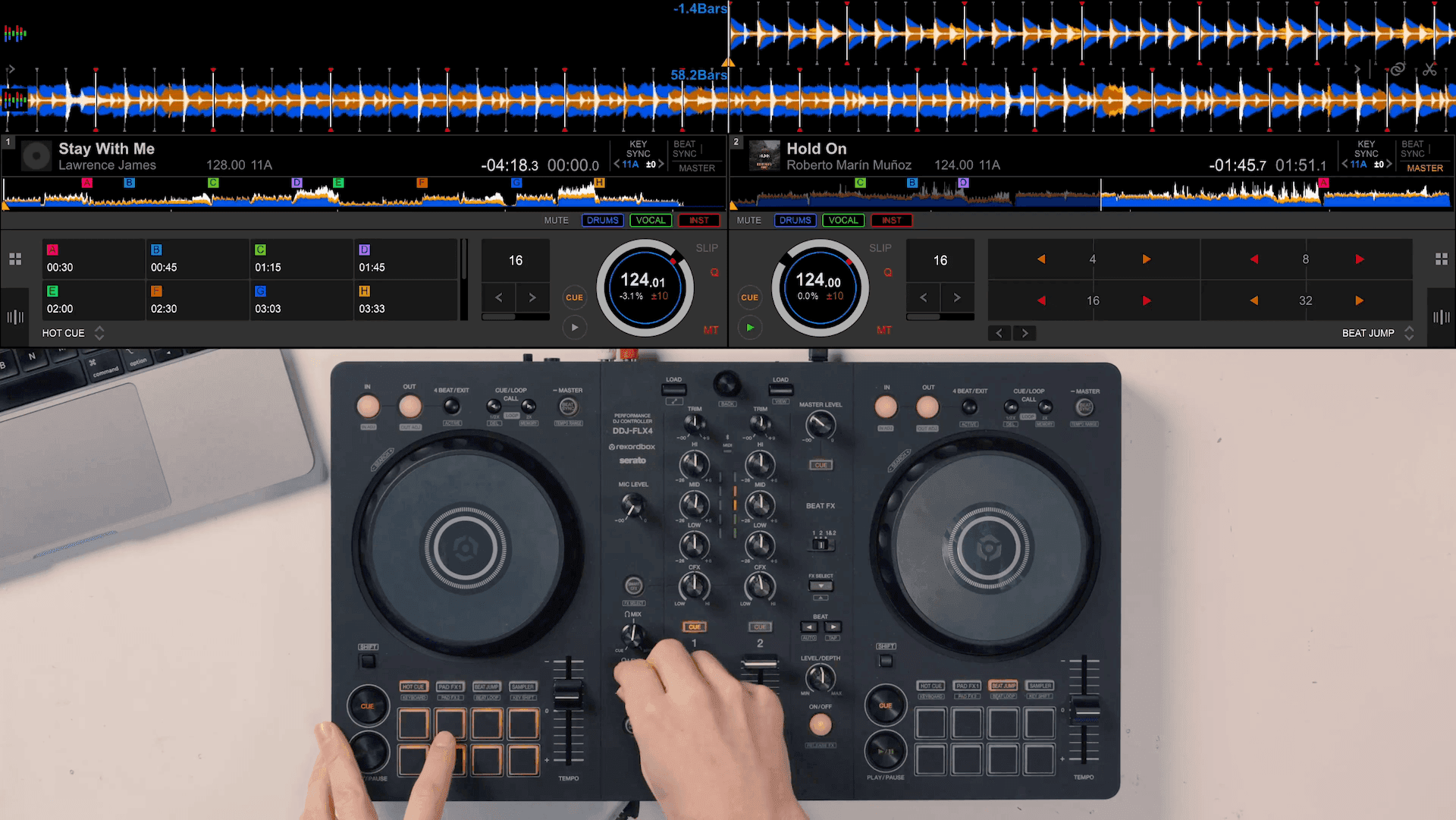
Scroll through the track and you’ll usually find a stripped-down section near the end that might just be drums, or kick and bass. Loop that section for 16 or 32 beats and save it to a hot cue. That becomes your “fake intro.” You can start your mix over that loop, get everything locked in, and then, when you’re ready, jump back to a different point in the track with another hot cue. Make sure your quanitize is turned on so this happens right on the beat.
On its own, that jump can feel a bit sudden, so smooth it over with a filter sweep, or effects like reverb.
Creative Tools to Elevate a Trance Set
Acapellas and Loops
Acapellas are such an easy way to make a mix feel more exciting. Drop a different vocal over an instrumental, and straight away, the crowd has something interesting and familiar to grab onto. If you then blend into the track that vocal came from, it’s a fun little trick, and sounds almost like you’ve made your own mashup on the spot.
The key thing is to get everything prepared properly. Get your acapella looping cleanly, and set a couple of hot cues so you can jump in at the right moment. It’s usually nice to add a touch of echo or reverb too, just to give the vocal some space, make it glue together better and stop it sounding like it’s just been slapped on top. The main thing is not to let it run on and on, as if you leave it too long, and it starts to feel repetitive.
They’re also a great way to change direction. You might have a new track playing, then suddenly layer in a classic vocal so the crowd thinks they’re hearing a fresh remix. When you drop into the original tune, it’s a proper surprise moment that lifts the energy.
Loops, in general, can do more than patch problems. You can use them to stretch out a breakdown, hold a drum groove while you line up your next mix, or even bring back a vocal hook later in your set as a callback. They give you breathing space, keep the flow moving, and make your transitions feel a bit more playful.
Using FX in Trance
Trance is defined by tension and release, so effects work best when they heighten those moments.
A popular combination that we like to use is the half-beat echo and high-pass filter together. Use it during a build to lift the energy up, then cut both just before the drop so the kick slams back in unmasked.

The spiral effect adds a different flavour. Unlike a standard echo, it winds between beat fractions, creating a rising or falling sweep, which is perfect for easily creating buildups. The key thing is to be careful you don’t overdo it, as it can quickly become harsh and screechy.
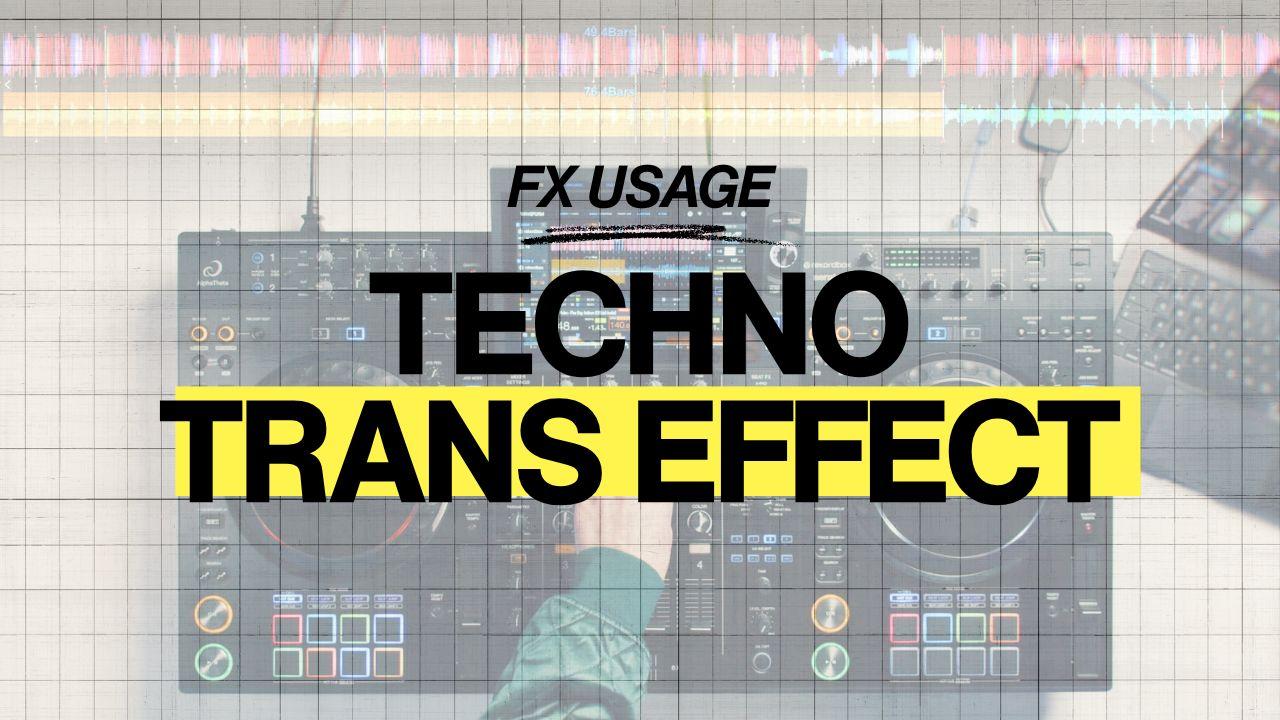
Noise is another very versatile tool. Because it works on any channel, even an empty one, you can layer it under a snare roll or filter it into a build. Pairing it with the Trans effect turns it into rhythmic stabs that lock with the beat.
Reverb is always useful for creating a sense of space and atmosphere, especially in breakdowns. If you set it to about halfway and combine it with a filter sweep, it makes tracks feel huge without drowning them. The Space effect is more dramatic but harder to control.
Rolls and slip rolls work well in fills, adding a sense of movement, but they must be timed precisely and released cleanly so the track breathes again.
Subgenres and Energy in Trance
Trance, like pretty much all styles of dance music, isn’t immune to the constant arguments over sub-genres. It’s easy to get caught up in the nitty-gritty of what counts as progressive, uplifting, or tech trance. The truth is that different DJs will categorise the same track in different ways. For mixing purposes, what matters more than a label is the energy level.
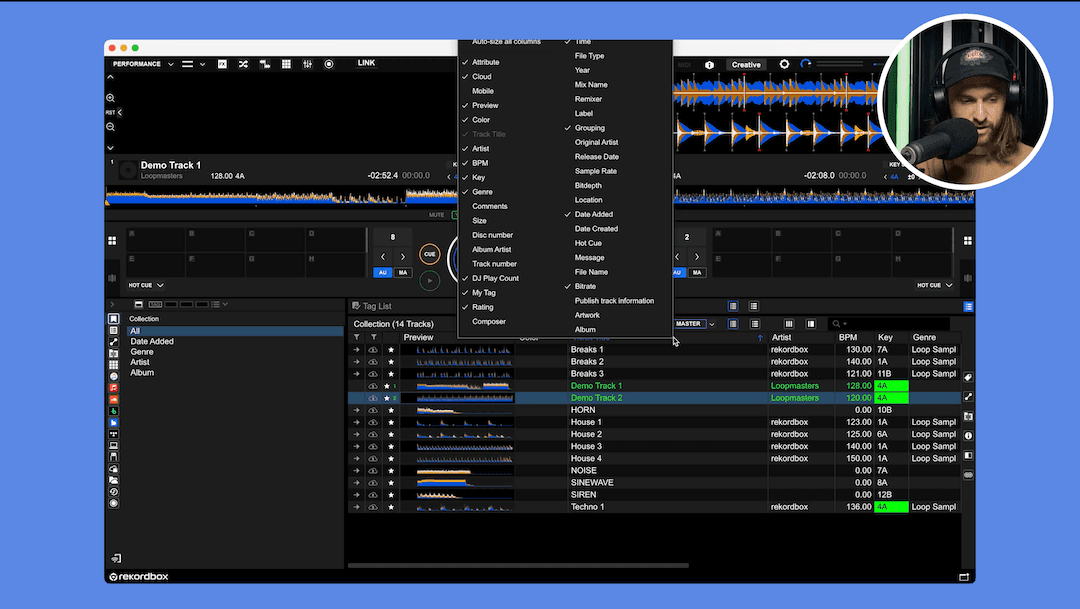
One good way to sort this out is to instead group your tracks by mood and intensity. For example, we like to colour-code playlists and tracks to make it obvious at a glance. So you might do something like blue tracks might be warm-up tunes, green might be mid-level builders, red peak-time anthems, and yellow closing tracks that ease the night down. The exact colours, however, don’t matter, and it’s more just about you personally understanding how your library works.
Learn how to sort out your library with our complete guide to organising your DJ music collection
Building a journey with your music is a crucial factor in any DJ set but it’s even more of a thing with trance music. People are going to get exhausted pretty quickly if you just keep blasting out high-energy tracks for hours straight, with no variation. A strong set has peak moments that feel earned because of the softer moments that came before.
There are a couple of key things to remember here. First, tempo shifts during breakdowns. Raising BPM when a track is already building tension feels natural and avoids jolts. You can bump things up by a few BPM without anyone noticing anything too jarring. Second, key changes. Keeping the same key keeps everything smooth and consistent, but moving into a related key can also shift the mood up or down.
See these skills in action
If you’re curious to see exactly what all this looks like in the real world, we’ve put together a mix of trance tunes with explanations of all the mixes so you know exactly what’s going on and can follow along at home.
Learn all about mixing trance
Hopefully, you’ve now got a good grasp on the core concepts behind how to DJ trance music. But if you want to learn much more and actually see these techniques in action, you’ve got to check out our full trance mixing course. You’ll learn the key skills you need to know, how to make your mixes stand out, and break down a real life mix example.
It’s available as a part of our Complete Package, which is the ultimate collection of everything you need to know to level up your DJ career.


0 Comments