
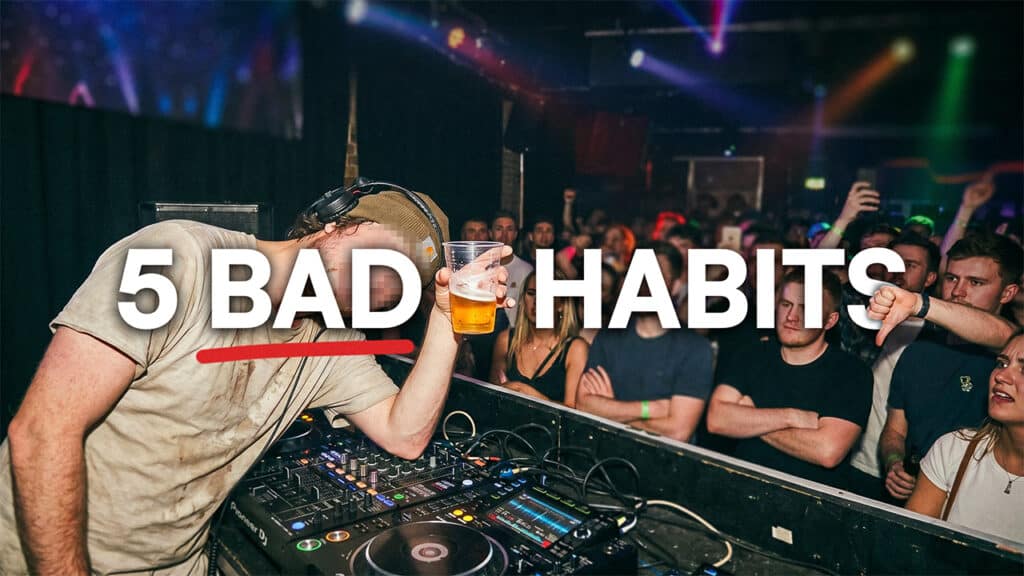
When you’re first learning to DJ, it’s easy to take shortcuts, to try and do things the ‘easy’ way to get ahead fast. Or maybe you’re teaching yourself from slightly questionable YouTube tips and have picked up a couple of bad habits along the way that might be harming your mixing skills in ways you don’t even realise.
We asked our Crossfader community on our Instagram and Youtube about those pesky DJ habits that they’ve had to unlearn.
Read on to find out if you’re unknowingly doing any of these dodgy DJ slip-ups…
Not sorting out your library

This is a really easy trap to fall into when you’re first building out your library. You’re keen to start collecting more and more tunes, so pretty much everything you hear and like ends up getting downloaded.
The issue is, from personal experience, when you go back later, you quickly realise that you can’t even remember how half those tracks sound.
What’s much more important than just having loads of tunes, is having a selection of tracks that you know inside out and really understand how to mix. It all goes back to the old adage of ‘quality over quantity’. If there are any tracks on your USB that you’re a bit on the fence over and maybe not so in love with, don’t be afraid to be ruthless and scrap them.
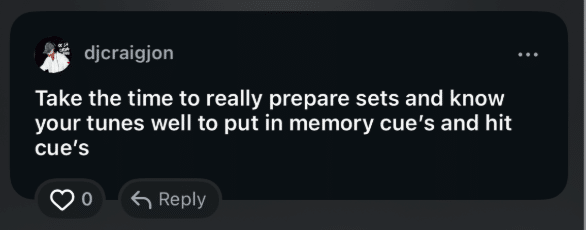
As this other DJ says, you’ve got to spend that little bit more time and effort to get to know your music and make sure it’s properly prepared. Understanding each track’s structure and energy and making sure it’s all set up with cues and everything will make mixing it so much more straightforward.
To take this a step further, it’s not just about the tracks themselves but the actual library they live in. Getting your folders and playlists nice and tidy will make finding the next tune so much simpler and quicker than just scrolling through a massive library.
Drinking too much
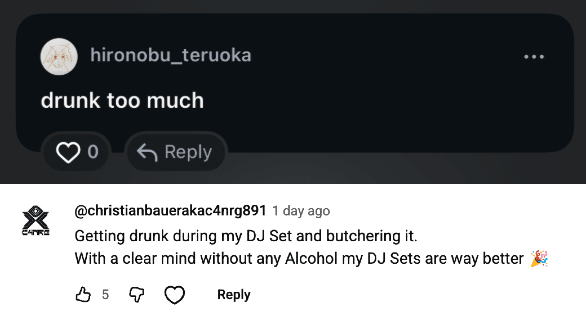
DJing has always been tightly linked with nightclub culture, and naturally, people are drinking in those places, and often they’re drinking a bit too much.
Of course, lots of DJs are going to want to have a drink or two before, during or after their set, and it’s pretty standard to get free drinks as part of (or instead of) your payment.
We’re not saying that you shouldn’t have a little to drink if that’s your thing, and maybe it helps you loosen up and relax. It generally only becomes an issue after a certain point, and everyone’s got different limits to what that looks like.
What can be easy to forget is that you’re there to do a job. Sure, DJing isn’t exactly like most jobs, but you wouldn’t generally expect to get wasted in the office and not get fired. It looks deeply unprofessional if you’re getting paid to perform and then sort of disrespect that by getting really drunk.
Also, crucially, once you’re a few drinks in, all those precious, finely honed DJ skills quickly go out the window. The slight delay between your brain and your fingers that drinking adds can be the difference between a great mix and a complete trainwreck. In the moment, it might sound like it’s going ok, but if you ever listen back – or hear a really drunk DJ in the club – those sloppy mixes stand out.
Overusing Effects
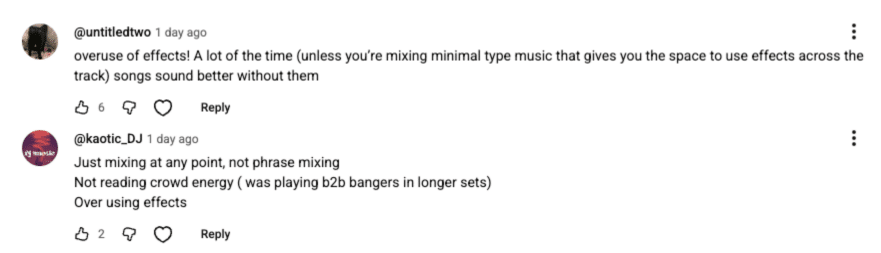
At the end of the day, effects are just a lot of fun for DJs to mess around with. Cranking up the reverb in a build-up or messing around with something wacky like a flanger is just a great feeling. Having that immense sense of power at your fingertips is addictive, though, and it’s easy to get carried away.
You’ve got to think about what actually sounds best and serves the track in that moment. The producers have spent hours crafting the perfect sound, and when you use a load of effects, all that is lost. It’s like ordering a beautifully cooked fillet steak and dumping a load of ketchup over it; all you’re going to taste is the ketchup.
There’s also maybe a bit of a misconception that more mixing = better. We see countless DJs on Instagram with their hands flying around the decks, trying to touch every knob possible during each transition. Often, though, less is more.
It’s natural to want to keep your hands busy, but remember that every time you touch that effects knob, it should be a deliberate choice that’s going to make the transition better, not just for the sake of it.
Mixing In Key
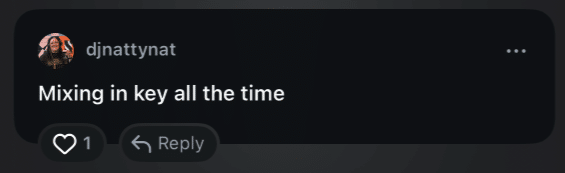
Mixing in key is one of those things that, when you first learn about it, feels like a complete revelation. The DJ software shows you what tracks work and which don’t in handy colour codes. Especially if you’ve got a big library of tracks to pick from, sorting everything by key quickly filters that down to a much more manageable selection of the ‘right’ tunes.
But this ignores a couple of really key points.
Firstly, music is about so much more than the key signature. Two tracks in different keys can blend fantastically if the vibes gel and you mix them right, while two tracks in the same key that should work can often sound rubbish.
And when you’re just sticking to one key for ages, things can quickly feel really flat. Those key changes help raise or lower the energy and prevent things from getting too monotonous.
Also, that tactic of narrowing your library selection is a bit of a double-edged sword. Sure, you’ve got rid of some of that option paralysis, but maybe you’re ruling out a potentially amazing track. Instead, you probably need to organise your library better anyway, like we’ve just said.
Ignoring the crowd
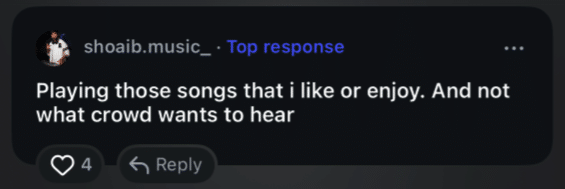
This is a pretty classic mistake that a lot of beginner DJs make. You’ve spent ages curating an amazing selection of tracks, so why wouldn’t the crowd be equally as excited about hearing them?
Unless you’re some big-name headliner, though, that’s not really how it works.
Your job as a DJ is simply to make sure that the people who’ve paid money to come to this club are having the best time they possibly can. That means you’ve got to react to how all the tracks you’re playing are going down, and adapt your set accordingly.
Knowing how to properly read a crowd is one of the number one skills any DJ needs to have, but it’s also one of the hardest to learn. To find out more, check out our full guide to reading a crowd as a DJ.
Learn to DJ without the bad habits
If you want to make sure you’re not accidentally reinforcing these bad habits, you need to make sure you’re learning to DJ the right way.
At Crossfader, we take you through everything you need to know to DJ, whether you’re a complete beginner or an experienced pro looking to pick up new tricks. Our courses are all clearly structured, with step-by-step guidance from experienced DJs to make sure you’re learning all the skills in the right order.
You can get started today for free by signing up to Crossfader and unlocking your personalised learning journey to help you meet your DJ goals, and you’ll also unlock two free courses to get mixing right away.